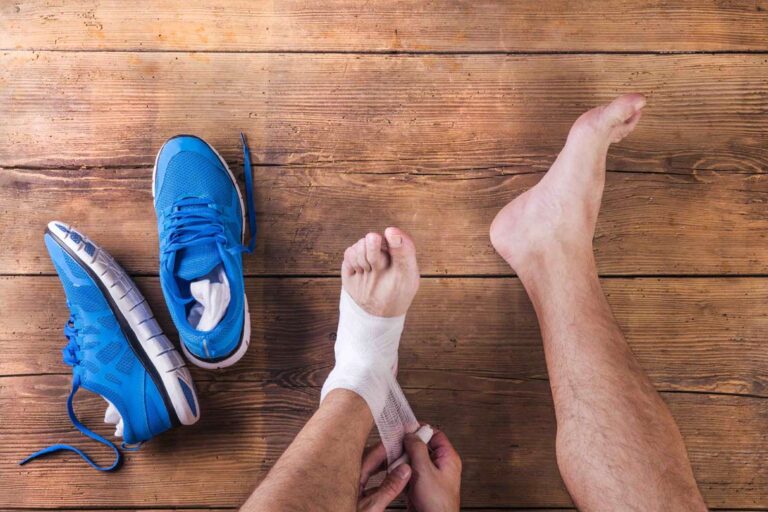

Calf pain can stop you mid-run or creep up after a few hills. At The Recovery Room, we start with when it began, how it behaves and what it’s stopping you doing. Some symptoms need medical help before a sports injury appointment.
Strength, conditioning and training load
When does calf pain need urgent medical help?
If you think you could have a blood clot, contact NHS 111 or ask for an urgent GP appointment. A clot can cause pain and swelling in one leg, with a change in skin colour around the sore area. Call 999 if you also have chest pain or shortness of breath.
Footwear changes
Choose the right next action before testing the calf
Start with medical safety. Calf pain that appears without a clear injury, changes quickly or comes with swelling may need medical advice before exercise. If it started during a run or a push-off, describe what happened and how walking changed. The circumstances can guide the next step, but several conditions can produce similar sensations.
If you are unsure which route applies, seek medical advice. The absence of one warning sign cannot tell you whether the problem is serious. NHS DVT guidance and NHS compartment syndrome guidance
Did it start suddenly or build gradually?
A sudden pain when pushing off feels different from an ache that builds as you run. If you felt a snap or pop and are struggling to walk or push off, get prompt medical advice. For a gradual problem, make a note of when it starts, whether it settles when you stop, and how the calf feels the next day.
Recurring pain and seeking support
What changed in the weeks before it began?
Think about hills, speed work, a change of shoes or extra activity outside running. Tell us about earlier calf or Achilles injuries as well. These details help us assess the problem alongside how you move and how the calf handles everyday tasks.

How can we help you return to running?
For suitable non-urgent problems, we agree where to start based on what you can manage now. We may work on calf strength and build towards the demands of your normal routes. We’ll explain what to watch for between sessions and adjust the plan if symptoms return.
After assessment, record the first part of recovery
What happened: explain whether you felt a sudden change, noticed discomfort building or first felt it later. Include what you did immediately afterwards and whether you needed help walking.
What you can do now: after assessment, agree one ordinary activity or prescribed exercise to record. Include how much you managed and whether your walking or stairs changed later.
What comes next: ask when to review and which symptom changes should lead you to seek help. If running is a goal, clarify which parts of the return will be reviewed before you start.
For example, a person who manages a short walk but has trouble by the end of a standing shift should mention both at review. A practical first goal might concern getting around at work. Once that feels more manageable, ask what needs to be checked before adding a run. A runner who felt a sudden pop or lost push-off strength needs assessment rather than testing how many heel raises they can do.
An account from memory is enough to start. Say whether the leg was already sore, what activity came first and whether the symptoms have changed since. Share any relevant health or injury history when asked, but seek urgent help promptly if warning signs are present.
At the end of a routine assessment, write down the goal, the permitted activity and the review date. For example, you might be working towards walking around the supermarket without needing to stop. Ask how much walking you can try and what changes should prompt an earlier review.
Frequently asked questions
Can I tell a blood clot from a calf strain by stretching?
Does being able to walk mean it is safe to run?
What if it feels different from the previous calf injury?
Book an assessment for recurring calf pain
If calf pain keeps interrupting your running or walking, book with us at our Southampton clinic. Bring a short account of the activity that triggers it and what you’ve tried so far.
Book a calf pain assessmentFurther reading
NHS guidance on blood clots in the leg · Our guide to soleus muscle pain