
Assessment comes first
Discuss the problem and what you have already tried. The next step may be shockwave, rehabilitation or another approach.


Understand whether shockwave therapy could be an option for your condition. Start with an assessment at The Recovery Room, where we discuss suitability, alternatives and what treatment may involve.
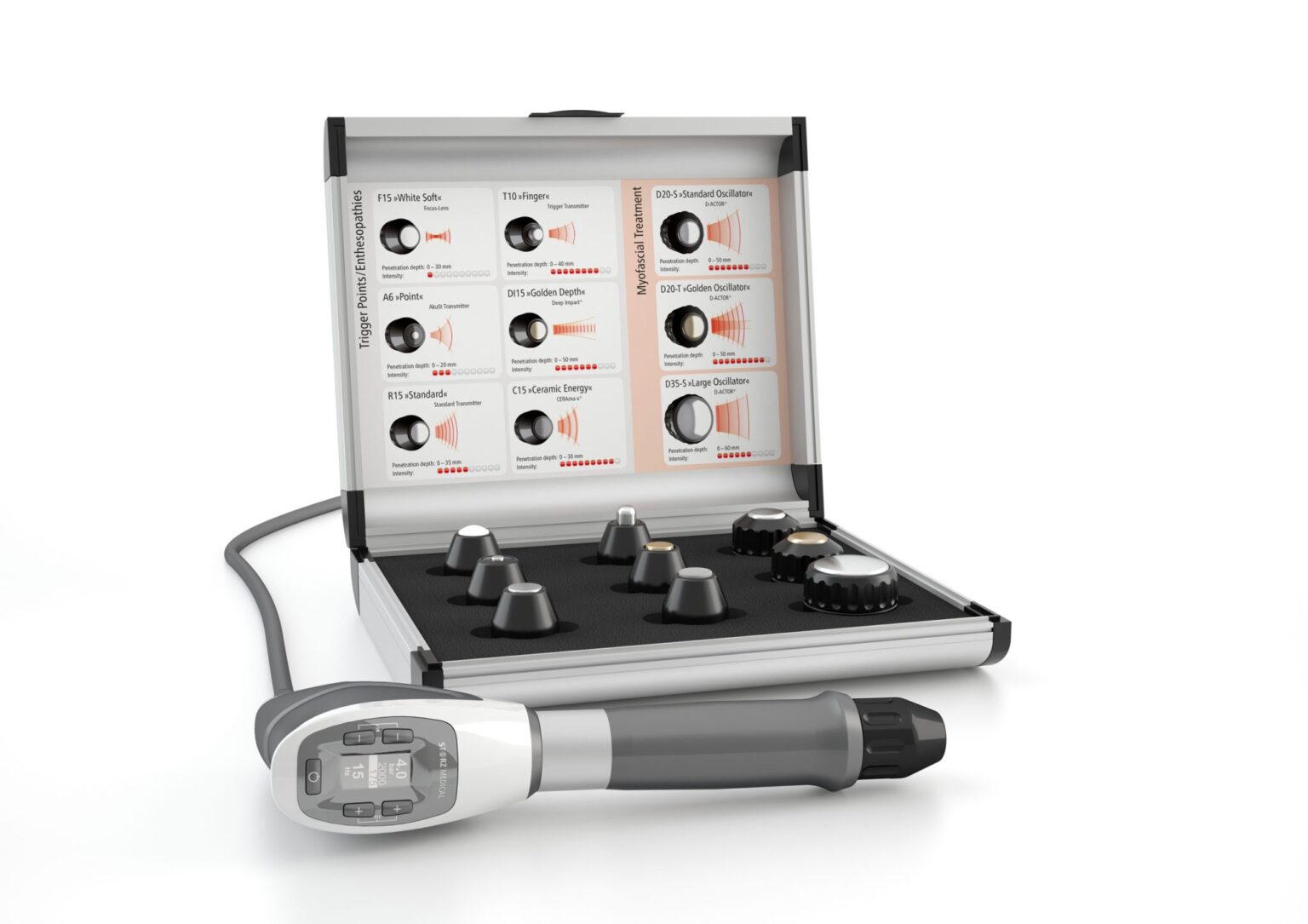
A treatment option to discuss as part of your wider care plan.
Extracorporeal shockwave therapy, or ESWT, applies pressure waves to a targeted area through a handheld applicator on the skin. It is a non-surgical treatment used for some persistent tendon and soft-tissue conditions.

Shockwave is not a treatment for every ache or injury. Your clinician considers your symptoms, previous care and medical history before discussing whether it is appropriate.
Benefits and evidence vary by condition. An assessment helps you weigh the possible benefits, risks and alternatives without assuming shockwave is the right choice.
Discuss the problem and what you have already tried. The next step may be shockwave, rehabilitation or another approach.
Some people report improvement, but response varies. There is no single success percentage that applies to every condition or person.
Your clinician may discuss exercises and changes to activity alongside treatment, with follow-up based on your needs.
Explore rehabilitation →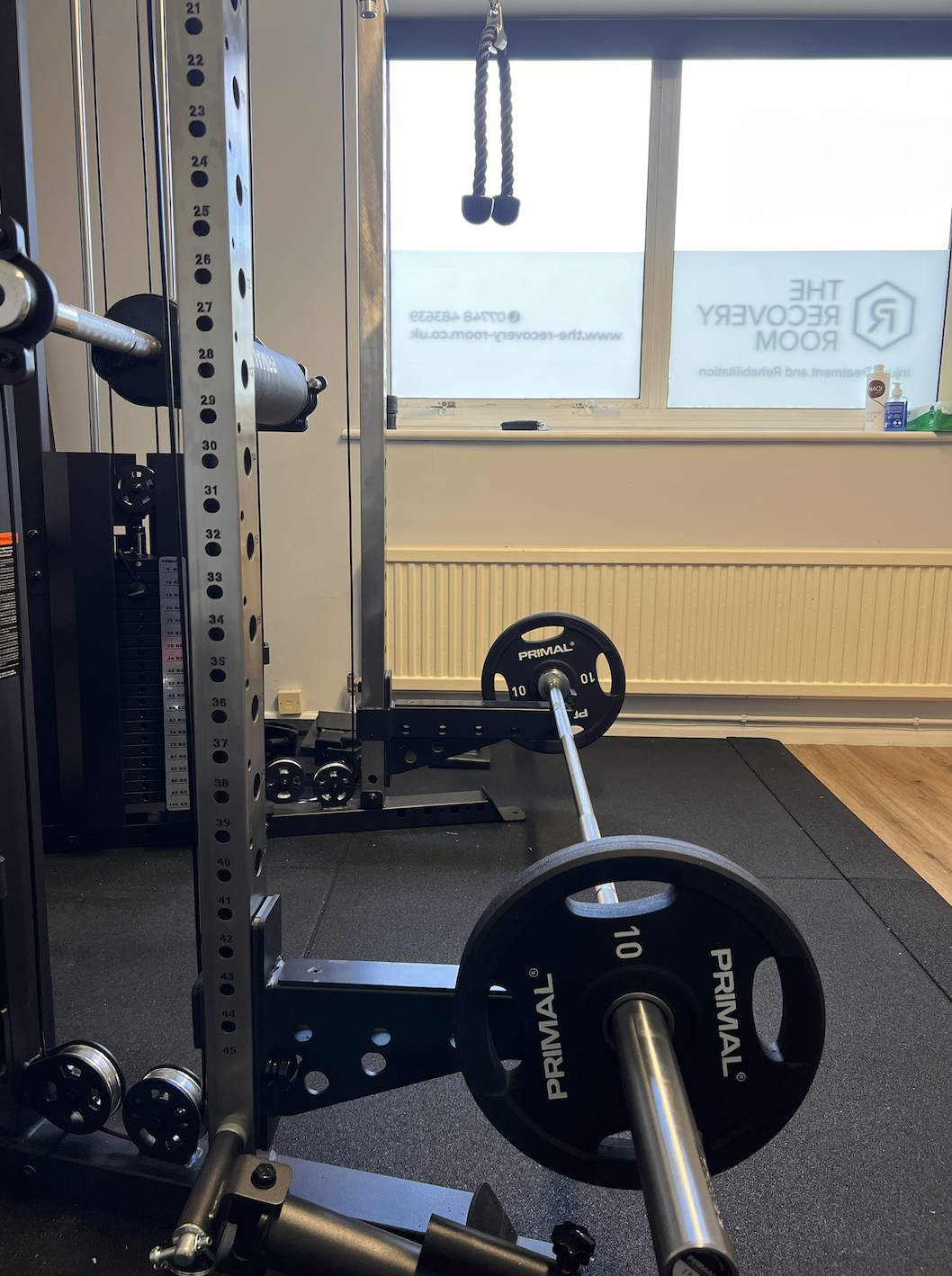
From your first conversation to treatment and review, know the practical steps before you decide.
Learn what to discuss before your visit, what a session may feel like and how your clinician plans follow-up.
What to expect from treatment →“Excellent bespoke treatment and support. Injured my Achilles a year ago. Face-to-face sessions, video sessions (1st Lockdown), x-ray referral by James found calcification on Achilles then shockwave therapy allowed pain-free running again (at times thought wouldn't happen). Had researched shockwave therapy, evidence is limited, but for me and my injury, accompanied by months of physio exercises and James' coaching tips had me running better than before injury.”
An individual experience, not a prediction of your results. Treatment outcomes vary.
It depends on the condition and the individual. Evidence is not equally strong for all uses. For Achilles tendinopathy, NICE describes limited evidence and uncertainty about effectiveness. Your clinician should explain what is known for your condition and discuss alternatives.
No. Your condition, medical history, medicines and other treatments can affect suitability. Discuss these with the clinician before treatment.
Your clinician may recommend exercise rehabilitation or activity changes as part of your plan. Shockwave should not be presented as a guaranteed replacement for other care.
View the online appointment options, or call 07748 483639 for help choosing. Confirm the assessment and any proposed course costs with the clinic.
The Recovery Room is at Romsey Golf Club, Romsey Road, Southampton, SO16 0XW, welcoming people from Southampton, Romsey, Totton and the New Forest. Find directions and contact details →
Further reading: NICE information on shockwave for Achilles tendinopathy and Royal Orthopaedic Hospital patient information. These explain general treatment information; your clinician advises on your individual situation.
Book an assessment to understand your condition and discuss your options, including whether shockwave therapy is suitable.
Book an assessment →Questions first? Call 07748 483639

Plan manageable everyday activity during a back-pain flare-up and recognise when medical help is needed.

Understand what to discuss at an assessment for shoulder pain during reaching and lifting.

A practical guide to ankle-sprain recovery, staged goals and when to seek medical help.
Unsure when to run after a soleus injury? We explain the main decisions and how The Recovery Room can help you plan a suitable return.

Questions to ask about musculoskeletal imaging, what a scan might change and how results are interpreted.
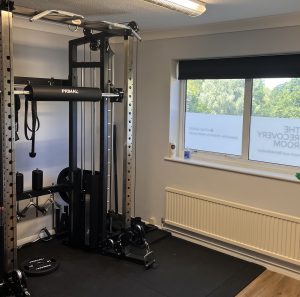
Find out how assessment, suitable exercises and treatment can fit together for calf pain, with practical support from The Recovery Room.

Prepare a staged return to tennis that considers serving, movement, practice and review.

Deep calf pain without an obvious injury? Learn when to seek medical help and when routine assessment at The Recovery Room may be appropriate.

Ask about the purpose, application and skin checks when considering sports tape or a support.
Understand the difference between soleus and gastrocnemius pain, without guessing the diagnosis. Find out how a calf assessment can help.