
Pain or stiffness
Discuss movements that feel restricted or uncomfortable and how this changes during your day.


When neck pain or stiffness interrupts your routine, start with understanding the problem. Discuss your symptoms, movement and goals with a clinician, then explore appropriate care and next steps.
Neck symptoms can have different causes. Your clinician asks how they began, what affects them and whether you have symptoms elsewhere, so the next step is based on your circumstances rather than an assumed diagnosis.

Discuss movements that feel restricted or uncomfortable and how this changes during your day.
Explain the tasks, positions or activities that seem to affect your symptoms.
Talk about the demands of your training or sport and what you want to work towards.
The examination is guided by your history and symptoms. Your clinician also considers whether further medical assessment is appropriate.
Discuss how the problem started, relevant injuries or conditions, current medicines and the activities affected.
Your clinician examines movement and function, with further checks selected according to your symptoms and findings.
Discuss the findings, suitable care options and what to monitor, including whether you need advice from another healthcare professional.
Your plan may include movement advice, exercise rehabilitation or appropriate hands-on care. The approach should reflect your assessment, preferences and response, with review points agreed together.
Explore exercise rehabilitation →Ask what each part aims to address and how it fits your routine.
Tell your clinician if a position or technique is uncomfortable. You can request a change, pause or stop.
Discuss changes in symptoms and function, and whether the next step needs adjusting.
Learn about James Kirkpatrick, Adele Young and Katie Dunn, their backgrounds and clinical interests.
Meet your clinicians →The Recovery Room
Romsey Golf Club, Romsey Road
Southampton, SO16 0XW
Welcoming people from Southampton, Romsey, Totton and the New Forest.
Directions and contact details →No. Describe your symptoms and how they affect you. Your clinician can assess the problem and discuss appropriate next steps.
Seek urgent GP advice or NHS 111 for sudden severe or rapidly worsening neck pain, or heaviness or weakness in your arms or legs. Call 999 for new walking problems, loss of bladder or bowel control, sudden loss of coordination, or signs of stroke. A significant head or neck injury also needs prompt medical assessment. Do not wait for a routine clinic appointment. Read NHS guidance on warning symptoms →
Tell a healthcare professional about pins and needles, numbness, weakness or a cold arm rather than assuming it is muscle tension. Seek prompt advice if symptoms are new or worsening. NHS neck pain guidance →
Not every neck problem needs imaging. Your clinician can discuss whether further medical assessment may be appropriate. A scan is not automatically included in the appointment.
Choose comfortable clothing that allows movement and access to the neck and shoulder area. Bring relevant reports, medicines information and any existing treatment guidance.
Response varies with the cause and individual circumstances. Discuss goals, review points and what to do if symptoms change; a recovery date cannot be guaranteed.
View the online appointment options or call 07748 483639 if you need help choosing. No GP referral is needed for a routine clinic assessment.
Book an assessment to discuss your movement, symptoms and goals at our Southampton clinic.
Book a neck assessment →Questions first? Call 07748 483639

Plan manageable everyday activity during a back-pain flare-up and recognise when medical help is needed.

Understand what to discuss at an assessment for shoulder pain during reaching and lifting.

A practical guide to ankle-sprain recovery, staged goals and when to seek medical help.

Unsure when to run after a soleus injury? We explain the main decisions and how The Recovery Room can help you plan a suitable return.

Questions to ask about musculoskeletal imaging, what a scan might change and how results are interpreted.
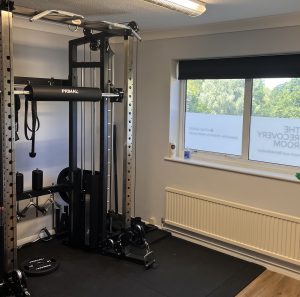
Find out how assessment, suitable exercises and treatment can fit together for calf pain, with practical support from The Recovery Room.

Prepare a staged return to tennis that considers serving, movement, practice and review.

Deep calf pain without an obvious injury? Learn when to seek medical help and when routine assessment at The Recovery Room may be appropriate.

Ask about the purpose, application and skin checks when considering sports tape or a support.
Understand the difference between soleus and gastrocnemius pain, without guessing the diagnosis. Find out how a calf assessment can help.