
A new setback
Discuss a recent problem that is affecting your runs, including when it started and how symptoms respond to activity.


When pain interrupts your running, start with understanding the problem. Get an assessment that considers your symptoms, training and goals, then discuss a plan for your next steps.

You might be preparing for an event, returning after time away or simply running for enjoyment. Your clinician considers what running means to you and how the problem affects your training and everyday life.
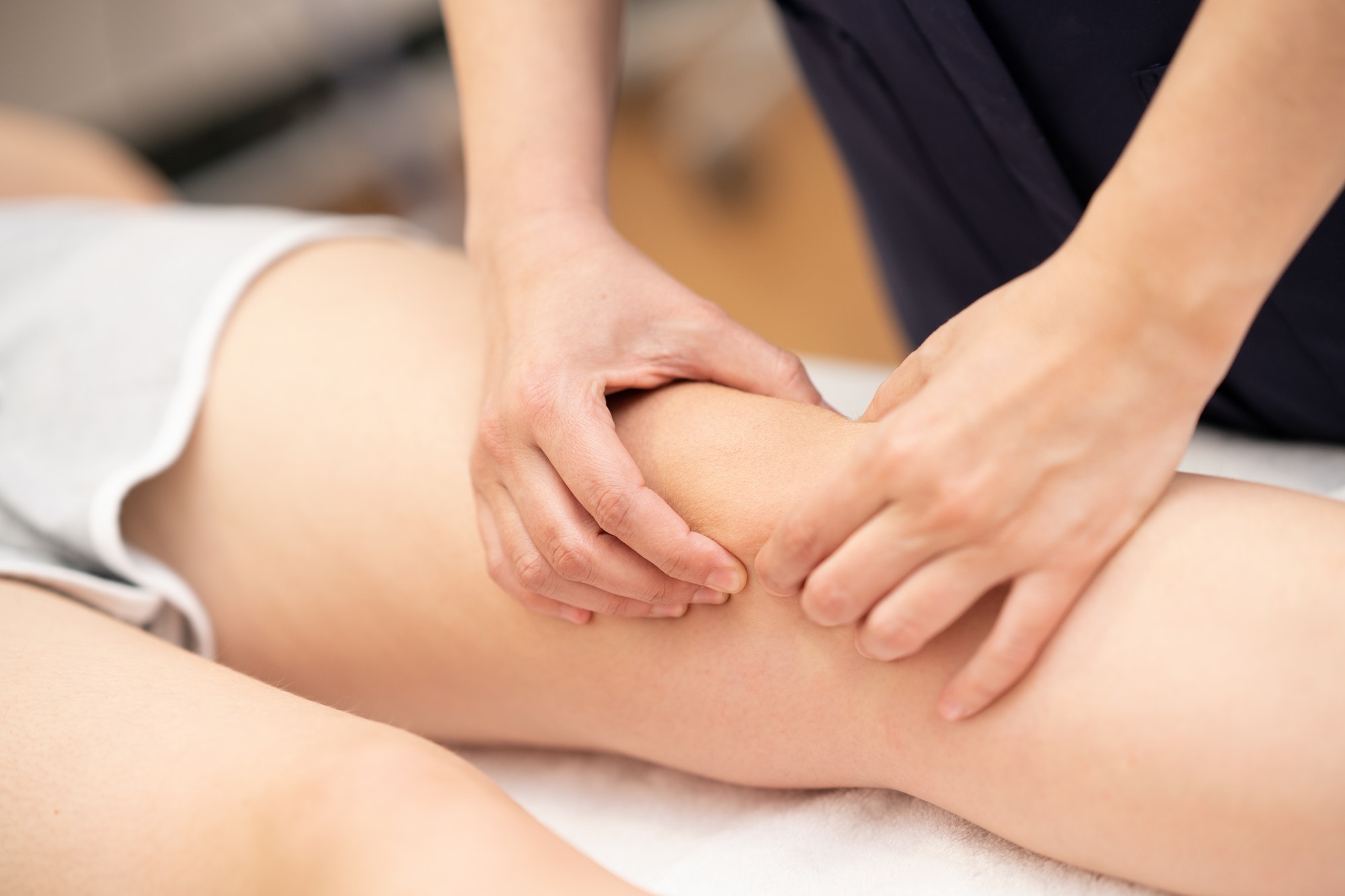
Discuss a recent problem that is affecting your runs, including when it started and how symptoms respond to activity.
Review previous injuries, rehabilitation and recent training changes to help guide your assessment.
Explore what to work on before and during a return to running, with progression based on your individual circumstances.
Your symptoms, training and movement help build a fuller picture. The assessment is tailored to your needs rather than a fixed checklist for every runner.
Discuss the injury, previous care, recent mileage and training changes, footwear, running habits and the goals you are working towards.
Your clinician may assess strength, endurance, balance and single-leg control. Running technique or video analysis may be discussed where relevant.
Discuss the findings and your options, including rehabilitation, training adjustments and how progress will be reviewed.
The clinic assesses runners with knee, Achilles, heel, shin, calf, hamstring, hip and ankle problems. Similar symptoms can have different causes, so an assessment helps clarify the next step.
Browse running articles →Your plan may include strength work, movement exercises, training guidance and a staged return to running. The approach and review points depend on your assessment and response.
See our rehabilitation approach →Discuss exercise technique, the proposed amount of work and how it fits around your routine.
Agree what to monitor and when to adjust your rehabilitation or running plan.
Discuss event plans and timeframes with your clinician. Recovery and return-to-running timelines vary.
Clinic Director James Kirkpatrick brings clinical, teaching and coaching experience, with particular interests in running injuries and tendon problems. Get to know James, Adele Young and Katie Dunn before your visit.
Meet your clinicians →The Recovery Room
Romsey Golf Club, Romsey Road
Southampton, SO16 0XW
Welcoming runners from Southampton, Romsey, Totton and the New Forest.
Directions and contact details →No. You can discuss a problem whether you are starting out, running recreationally or training for an event.
Running technique or video analysis may be considered where relevant. Contact the clinic to confirm the appointment options and what is included before booking.
That depends on your symptoms and circumstances. Contact an appropriate healthcare professional for individual advice rather than relying on a general rule from this page.
Choose clothing that allows comfortable movement and access to the affected area. Bring relevant reports and training details. Ask the clinic whether you should bring running shoes.
There is no single timeline. Your clinician can discuss the factors relevant to your injury, goals and response, and agree when to review your progress.
View the online appointment options or call 07748 483639 for help choosing. No GP referral is needed.
Start with an assessment to discuss what is holding you back and what you want to work towards.
Book a running injury assessment →Questions first? Call 07748 483639

Hamstring Strains in Runners: Fast, Safe Rehab & Return A sudden “ping” in your hamstring can derail training fast. The

Step Back to Pain-Free Movement: Your Plantar Fasciitis Recovery Guide If you’re wincing with that first step out of bed

Calf & Soleus Strains in Runners: Why They Recur & How to Fix Them A sudden “tighten and grab” mid-run,

Plantar Fasciitis in Runners: Fix Heel Pain & Return Stronger That sharp heel pain with your first steps in the

Recovering From Running Injuries: Your Step-By-Step Guide Running is brilliant for body and mind until pain stops you lacing up.

Plantar fasciitis is a common yet often misunderstood condition that can lead to debilitating heel pain. Affecting millions worldwide, it typically manifests as sharp discomfort, especially with those first steps in the morning. But what causes this painful condition? From biomechanical issues and lifestyle factors to improper footwear, the roots of plantar fasciitis are multifaceted. In this comprehensive guide, we’ll explore the causes, risk factors, and effective prevention strategies to help you manage and overcome this condition. Discover how to protect your feet and regain your mobility your journey to pain-free living starts here!

Plantar Fasciitis Case Studies and Treatment Options To illustrate how plantar fasciitis can develop in different people, let’s look at

Achilles Tendinopathy in Runners: Rehab & Return Achilles pain doesn’t have to end your season. With the right diagnosis, progressive

Runner’s Knee (PFPS): Fix the Cause & Return to Running Kneecap pain doesn’t have to end your training block. With

Plantar Fasciitis in Athletes & Effective Treatments Author: James Kirkpatrick (MSc, MSST, FHEA). James is a teaching fellow with 14