
When pain gets in the way
Discuss symptoms affecting work, daily tasks or the activities you enjoy, even if you do not play sport.


Understand your injury and take your next step with support from our sports therapists. We help people with muscle and joint problems affecting everyday life, exercise and sport—not just athletes.

Sports therapy combines assessment, treatment and exercise rehabilitation for muscle and joint injuries. Your clinician considers how the problem affects you and discusses a plan based on your needs and goals.
Discuss symptoms affecting work, daily tasks or the activities you enjoy, even if you do not play sport.
Get an assessment of an injury affecting your training, exercise routine or participation in sport.
Explore your symptoms, activity history and rehabilitation needs with a clinician.
You do not need to choose a treatment before your assessment. Your clinician will help you understand the available next steps.

Discuss your symptoms, relevant medical and injury history, and the activities you want to return to.
Your clinician assesses the injury and relevant movement, taking your individual circumstances into account.
Talk through suitable treatment and rehabilitation options, with guidance tailored to your goals.
Sports therapy is the overall approach. The options below may form part of a plan, depending on your assessment.
Hands-on techniques tailored to muscle tension, your activity levels and treatment needs.
Explore sports massage →Guided exercises and progression to work towards your strength, movement and activity goals.
Explore rehabilitation →An available clinic treatment option. Your clinician can discuss whether it is appropriate for your needs.
Explore shockwave therapy →James Kirkpatrick founded The Recovery Room in 2012. Today, James, Adele Young and Katie Dunn bring their clinical interests and experience together to support people with muscle and joint injuries.
All three are members of the Society of Sports Therapists. Get to know their backgrounds, qualifications and areas of interest.
Meet your clinicians → James KirkpatrickClinic Director
 Adele YoungSenior Therapist
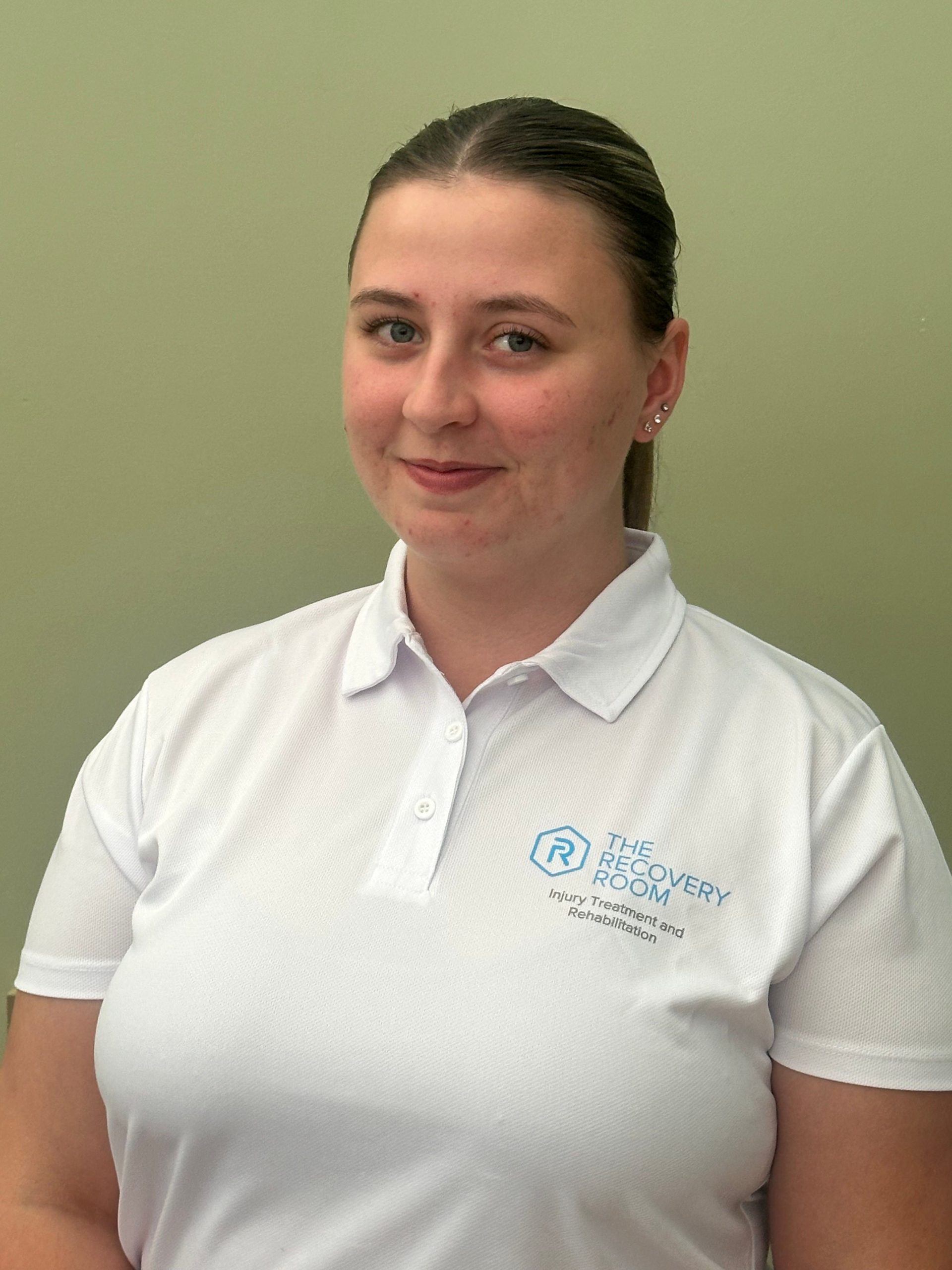 Katie DunnTherapist
“James did a thorough assessment taking into account previous injuries and came up with a focused treatment plan, adjusting the exercises as needed and also keeping in mind my running goals.”
Individual experiences vary.
No. The clinic welcomes people with muscle and joint problems affecting everyday activities as well as sport and exercise.
Sports therapy includes assessment, treatment and exercise rehabilitation. Sports massage is one hands-on treatment option that may be used within a plan.
No. You can book an assessment directly through our online booking form.
Start with an assessment or call the clinic on 07748 483639 if you need help choosing an appointment.
The Recovery Room is based at Romsey Golf Club, Romsey Road, Southampton, SO16 0XW. We welcome people from Southampton, Romsey, Totton and the New Forest. Check the online booking options for appointment availability, or contact the clinic with any questions.
Book a sports therapy assessment to discuss your symptoms, understand your injury and explore your next steps.
Book your assessmentPrefer to speak first? Call 07748 483639

Questions to ask about musculoskeletal imaging, what a scan might change and how results are interpreted.

Prepare a staged return to tennis that considers serving, movement, practice and review.

Ask about the purpose, application and skin checks when considering sports tape or a support.

Understand how warming up and stretching differ and how to prepare for your activity.

Check walking-shoe fit, comfort and terrain, and know when persistent foot symptoms need advice.

Explore safe balance activity, practical goals and when falls or unsteadiness need assessment.

Plan manageable gardening sessions, adapt demanding jobs and recognise symptoms that need medical advice.

Plan an individual return to swimming after shoulder pain, with staged questions and review points.
Review cycling comfort, bike contact points and training demands without overlooking symptoms needing assessment.

Practical questions for wrist pain with gripping, activity changes and when to seek medical advice.