

Tennis elbow vs golfer’s elbow: understanding the differences
A concise comparison of tennis and golfer’s elbow, with questions to take to an assessment.


An active approach within hands-on care. Your clinician guides you through controlled muscle contractions against resistance, where appropriate, as part of a plan based on your symptoms and movement goals.
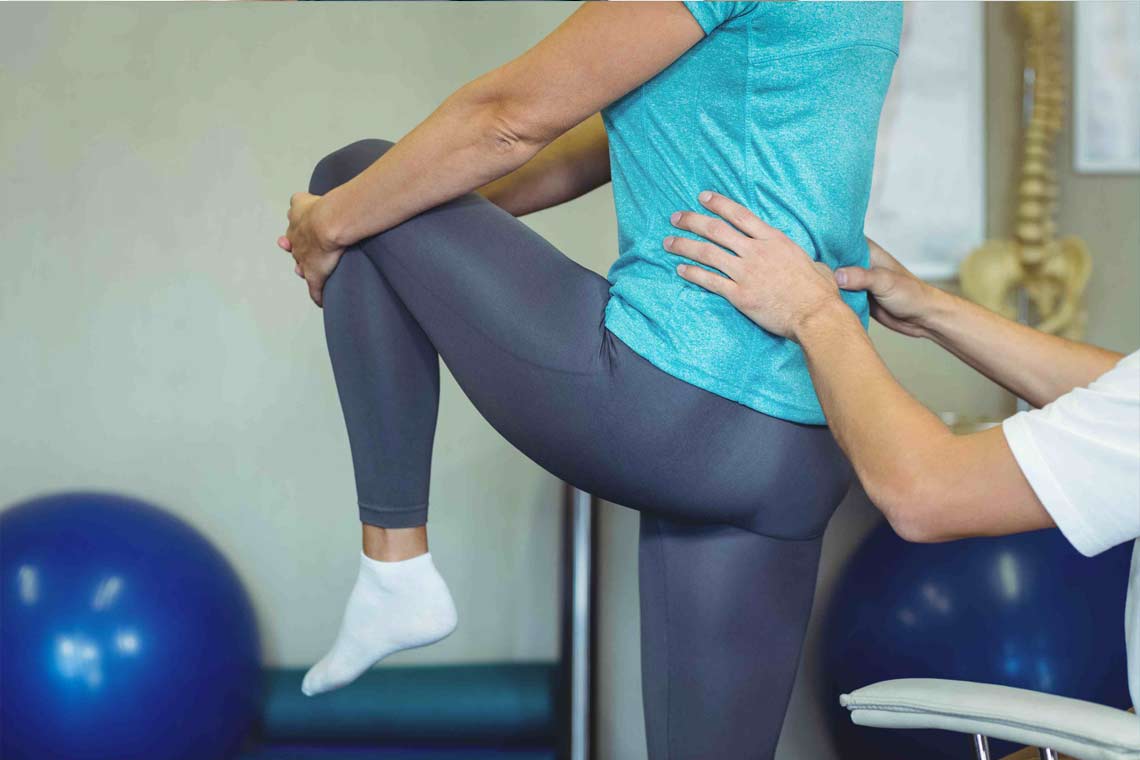
Muscle energy techniques, often shortened to MET, use your own muscle activity during treatment. You contract selected muscles in a direction guided by the clinician, who provides resistance.
You actively participate rather than simply having the area moved for you. Depending on the technique, the clinician may guide a contraction, relaxation and a change in position, then reassess movement.
The approach is selected for your circumstances. It is not a promise of increased strength, better performance or lasting pain relief from a single technique.
Muscle energy techniques may form part of a wider appointment rather than a separate course of treatment.
Discuss symptoms, relevant medical and injury history, and the movements or activities you want to work towards.
If suitable and agreed, your clinician explains the position and muscle effort. You follow the instructions while providing feedback.
Review how the movement feels afterwards and discuss whether exercise, other treatment or follow-up would be appropriate.
Let the clinician know if a position is uncomfortable, if you are unsure which muscles to use or if the contraction causes pain. The approach should be adapted or stopped when needed.
Ask a question before booking →Discuss recent injury or surgery, medical conditions, current medicines and any restrictions on movement before treatment. Your clinician checks suitability and explains the options.
You do not need to be athletic or able to produce a strong effort to ask about care. The assessment determines what is appropriate.
The important question is how your care helps you work towards the activities that matter. Your clinician may combine approaches or suggest another option based on your assessment and response.
Meet your clinicians →Sports therapy →
Assessment, treatment and rehabilitation for muscle and joint problems.
Exercise rehabilitation →
Guided exercise and progression beyond an individual hands-on technique.
All clinic services →
Compare the available care options.
No. MET uses muscle contractions within a clinician-guided treatment technique. A longer-term strength or rehabilitation programme is a broader approach with its own goals and progression.
No. Discuss your starting point and any movement limitations during assessment. The clinician will consider whether the technique is suitable and what effort is appropriate.
Tell your clinician if a contraction or position causes pain or discomfort. Ask for a change, pause or stop rather than forcing the movement.
Responses vary. Your clinician can reassess the relevant movement and discuss the result, but an immediate or lasting improvement cannot be guaranteed.
If you are unsure, book an assessment or contact the clinic. Your clinician can discuss the appropriate techniques after assessing your needs.
The Recovery Room is at Romsey Golf Club, Romsey Road, Southampton, SO16 0XW. View the online appointment options, call 07748 483639, or find directions and contact details.
For background on the technique: Muscle energy technique overview in NCBI Bookshelf. This is a clinical reference; your clinician advises on your individual care.
Book an assessment to discuss your symptoms and movement at our Southampton clinic.
Book an assessment →Prefer to speak first? Call 07748 483639
A concise comparison of tennis and golfer’s elbow, with questions to take to an assessment.

Plan manageable everyday activity during a back-pain flare-up and recognise when medical help is needed.

Understand what to discuss at an assessment for shoulder pain during reaching and lifting.

A practical guide to ankle-sprain recovery, staged goals and when to seek medical help.

Unsure when to run after a soleus injury? We explain the main decisions and how The Recovery Room can help you plan a suitable return.

Questions to ask about musculoskeletal imaging, what a scan might change and how results are interpreted.
Find out how assessment, suitable exercises and treatment can fit together for calf pain, with practical support from The Recovery Room.

Prepare a staged return to tennis that considers serving, movement, practice and review.

Deep calf pain without an obvious injury? Learn when to seek medical help and when routine assessment at The Recovery Room may be appropriate.

Ask about the purpose, application and skin checks when considering sports tape or a support.
“Really happy with my sessions. James is super knowledgeable and really helped me recover from knee problems which weren't immediately clear, and I'm back nearly to where I was pre injury.”
Spencer Long · clinic-care review
An individual experience. Treatment outcomes vary.