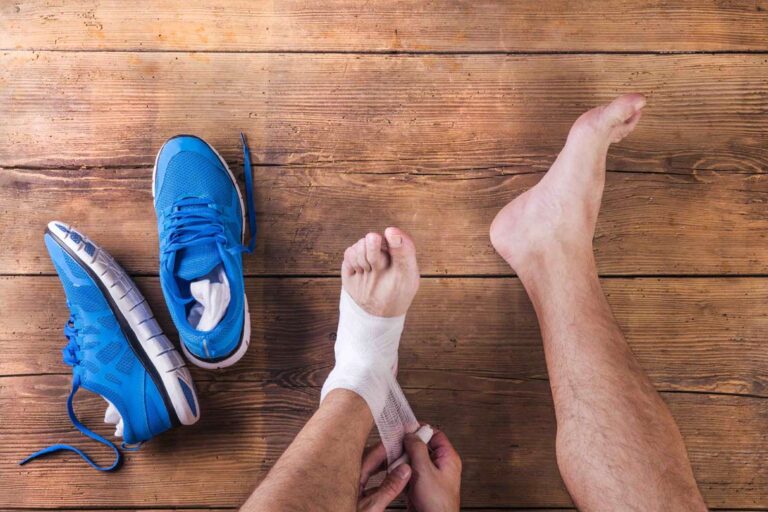

Training load and common injury triggers
If a sore knee, shin or heel keeps cutting your runs short, it helps to know what to pay attention to and when to get help. At The Recovery Room, we start with when the pain appears, what brings it on and what you want to get back to.
When should you get medical help first?
Contact NHS 111 after an injury if pain is severe or worsening, swelling or bruising is substantial, or you can barely put weight on the leg. Get prompt medical advice for sudden sharp pain at the back of the ankle, especially if you felt a pop or struggle to push off. If you suspect a blood clot because one leg is painful and swollen, ask for an urgent GP appointment or contact NHS 111. Call 999 if you also have chest pain or shortness of breath.
Choose the next action from the symptoms you have
Start with how the pain began, whether you can walk comfortably and what has changed since. Describe the location too, but use it to guide the conversation. Pain near the heel, for example, can be described differently when it is on the underside of the foot and worst on first steps than when it started with a sudden pop behind the ankle.
| What you notice | First action | Useful detail for the assessment |
|---|---|---|
| New unexplained one-sided calf pain and swelling | Seek urgent GP or NHS 111 advice if you suspect a clot. Call 999 if you also have chest pain or breathlessness. | Which leg, when it began and whether symptoms have changed |
| Shin pain becoming focused in a small area, or pain while walking or at rest | Pause impact and arrange prompt medical assessment | How the pattern changed and what weight-bearing activity feels like |
| Discomfort keeps returning during a similar section of a run | Pause progression and arrange advice if it persists or changes your movement | The route, pace, when it starts and how ordinary walking feels later |
The table helps organise the next conversation. Seek medical advice if you are unsure what service is appropriate. NHS advice on DVT and NHS shin splints guidance
Where do you feel it?
- Knee pain. Note whether it’s at the front, inside or outside of the knee. Tell us if you notice it on stairs, during downhill running or after sitting. Read our guide to knee pain.
- Shin pain. Notice whether it covers a wider area or you can point to a small sore spot. Tell us if walking hurts too. Pain in one spot or pain affecting normal walking deserves assessment before you try another run. Read our guide to shin pain.
- Calf or Achilles pain. Tell us whether it came on suddenly as you pushed off, or builds during runs. Note any stiffness at the back of your ankle when you first get up. Read our guide to calf pain.
- Pain under the heel. Tell us whether the first few steps after rest are uncomfortable and what happens during and after a run. Read what to expect from a heel pain assessment.
Build from your current starting point
What can you do before an assessment?
Pause the running that brings on pain. Write down how far into the run symptoms start, whether they settle when you stop and how you feel the next morning. Look back at recent changes to hills, pace, shoes or gym sessions. A familiar route can feel very different after time away or during a busy week.
How do we help you get back to running?
We’ll ask about your running and daily activities, then check movements that are relevant to your symptoms. We’ll explain what we find and agree what to work on first. Once you’re ready to run again, we can help you choose a manageable starting point and decide what to build up next based on how you respond.
Use a three-part plan if routine rehabilitation is appropriate
- Agree what you can do now and which activities should wait. If you are waiting for investigation, check whether you have restrictions for weight bearing or impact.
- Pick a task you can already do within the advice you were given. Write down the amount and how you moved later. Bring the record to review if the task repeatedly becomes harder.
- Once running is appropriate, agree a first outing with a clear endpoint. Compare what happened with your previous baseline and ask what to build next before adding duration, speed or hills.
Imagine that running downhill causes knee pain and the next day your usual stairs are harder. The next conversation might cover both the descent and the delayed response. Bring enough detail to explain what changed without reproducing the pain first. The clinician can help decide which assessment and activity advice suit your symptoms.
Frequently asked questions
Can the location alone tell me what is wrong?
⌄
⌄
Should I try a short run to prove the injury is better?
⌄
⌄
What should I bring to the first appointment?
⌄
⌄
Book a running injury assessment in Southampton
If pain keeps returning, limits your usual routes or leaves you unsure how to start again, book with us at Romsey Golf Club. Bring your recent training notes if you have them and tell us what you’d most like to get back to.
Book a running injury assessmentFurther reading
NHS guide to common running injuries · NHS advice on sprains and strains · NHS advice on blood clots in the leg