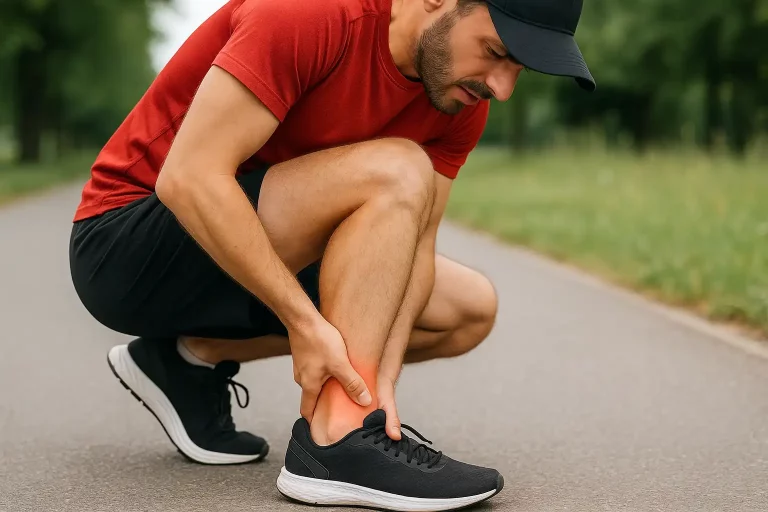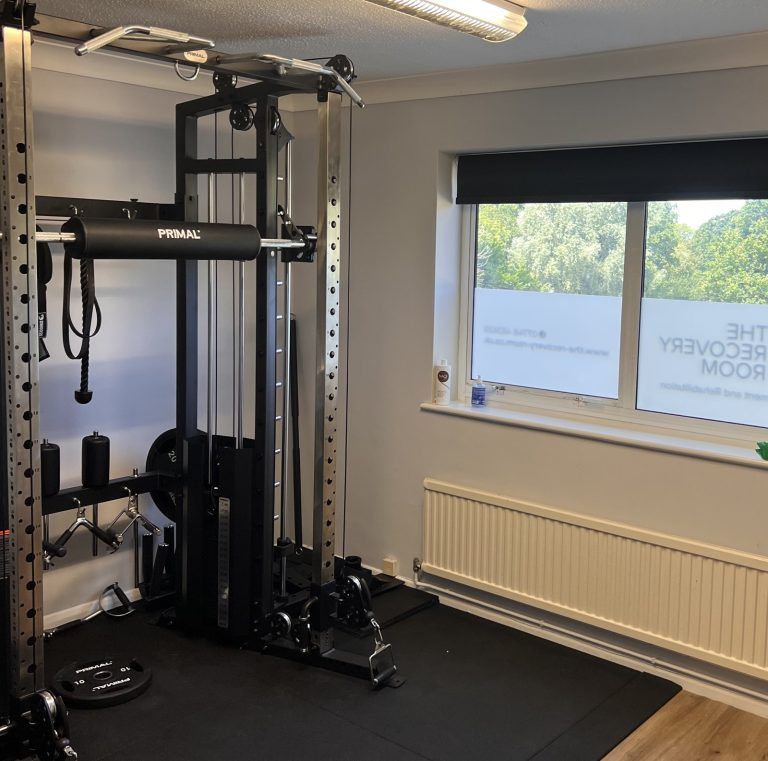

If Achilles pain keeps returning, you may be unsure which exercise or treatment to try next. At The Recovery Room, we start by understanding the symptoms, what you have already tried and the activity you want back. A useful plan should make the next few steps clear.
Check a new injury first
A sudden pop at the back of the ankle, severe pain, immediate weakness or difficulty walking needs urgent medical assessment for a possible rupture. Do not keep testing heel raises or stretching to decide whether to wait.
Persistent rest or night pain, marked swelling or warmth, and worsening or changing symptoms also need assessment. A previous tendon diagnosis does not explain every new problem.
What can an assessment tell us?
The Achilles connects your calf muscles to your heel. We ask about the onset, exact location, everyday activity and exercise, then choose appropriate movement and strength checks. Where the tendon is sore can affect the exercise advice.
Bring previous reports and plans. We will discuss whether the findings fit the working explanation and whether further medical investigation is appropriate. A scan is not automatically needed for every tendon complaint.
How does strengthening help the plan?
Suitable calf exercises may be used to build towards the work you need your leg to do. We can show you the movement, explain the starting amount and agree what response needs review. Do not assume that lowering the heel off a step is suitable for every Achilles problem.
Progress should connect with your goal: a comfortable day on your feet and repeated fast running are different demands. A questionnaire may help record change, but no score alone clears you for sport.

Review activity alongside treatment
Tell us about walking, work, training and recent changes. We can discuss which demands to adjust and how exercise fits around them. A fixed workload ratio, weekly percentage or shoe mileage cannot predict every injury or return decision.
When might another treatment be discussed?
Hands-on care or supports may have a role where suitable. Shockwave is an option for some persistent tendon presentations, but it needs an informed discussion about benefit, uncertainty, risks and alternatives. NICE notes limitations in the evidence for Achilles shockwave.
Injections and surgery need diagnosis-specific specialist advice. They are not a standard next step for every painful Achilles. If progress is disappointing, reviewing the explanation and exercise plan can be as important as considering another procedure.
Tell us what makes recovery difficult
Uncertainty, a race date or trouble fitting exercises into a busy week can affect how manageable care feels. Bring those concerns to review. We want you to understand the plan and feel able to ask for clarification.
Use stairs and slopes as separate milestones
Tell the clinician where the Achilles hurts and which movements bring it on. Someone who manages level walking but struggles on stairs may want to rebuild a different demand from someone who wants to get back to a hilly route. A sudden pop or marked difficulty pushing off calls for prompt assessment. The plan below applies once you and your clinician have agreed that rehabilitation is appropriate.
Turn the milestones into a treatment plan
- Agree a starting exercise and activity dose after assessment. Ask whether pain at the heel attachment affects which movement range is suitable for you.
- Choose the everyday milestone that matches the priority. Record how you manage it and whether an unusually active day changes the response.
- Review the exercise alongside that task. Ask whether to progress resistance, range, repetitions or the activity itself. Agree one change and what to look for.
- Seek review if function declines, symptoms change or the current approach is no longer helping. If another treatment is discussed, agree what it could add and how you would evaluate it.
The 2024 clinical practice guideline recommends tendon loading exercise as first-line treatment for suitable cases of midportion Achilles tendinopathy. Its scope matters because pain at the attachment and sudden injuries need their own assessment and advice. Midportion Achilles tendinopathy clinical practice guideline
Frequently asked questions
Should I increase exercise if walking feels better?
Can I use the same heel exercise for every type of Achilles pain?
What does shockwave add?
Book an Achilles assessment
If a non-urgent Achilles problem is affecting your walking or sport, book an assessment at our Southampton clinic. Bring your goals and previous advice so we can discuss the next step.
Book an Achilles assessment