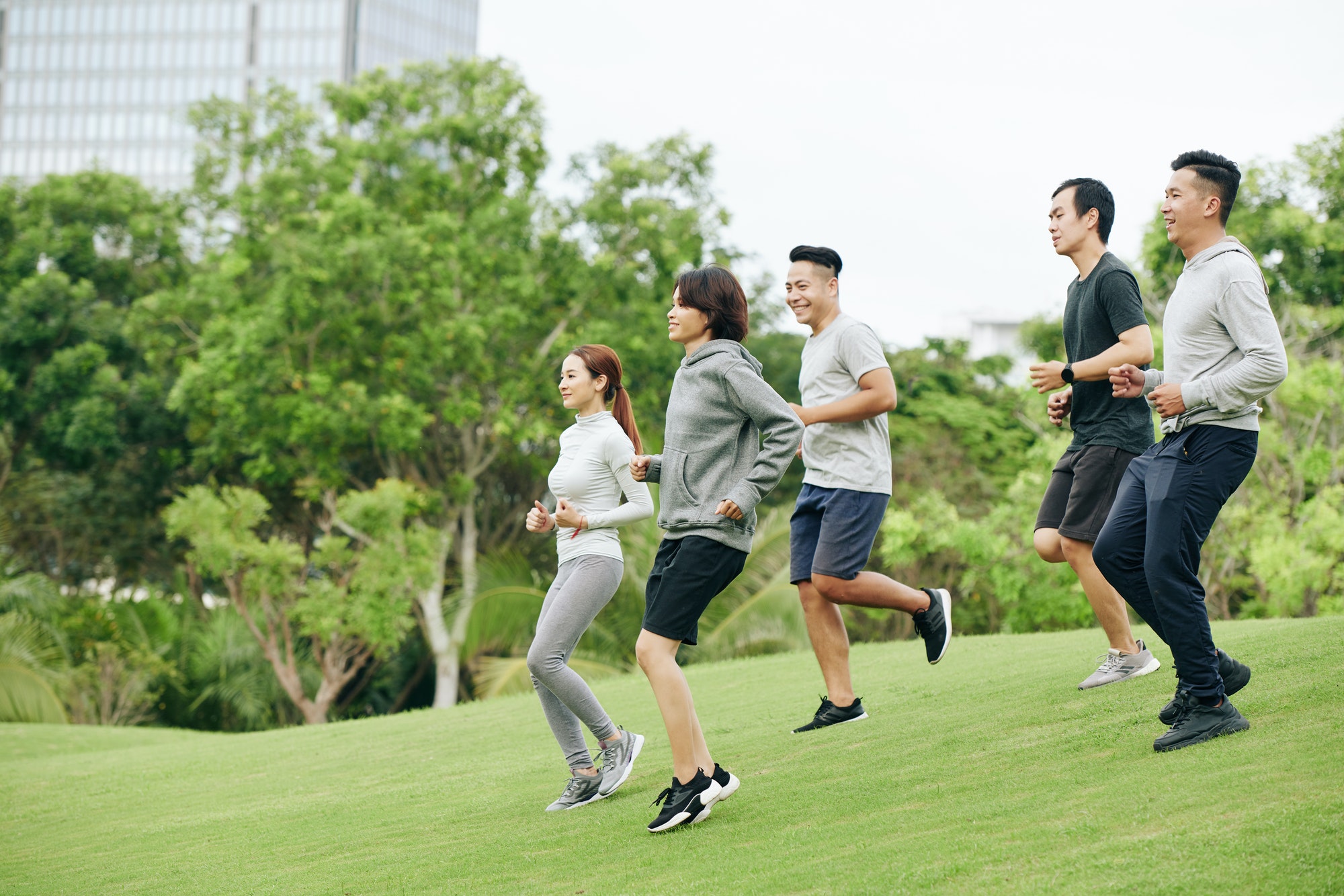
We assess your running technique, to give you individual feedback and find the best way for you to move:
Running injuries are often caused by overuse or misuse. Due to the repetitive nature of running over long distances, certain structures can become more likely to be injured based on how you move. With our biomechanics training, we can highlight the areas most susceptible to injury or help displace the load that may have contributed to your existing injury.
We identify your mechanics using video equipment to help you understand what caused your injury.
Identify areas of weakness that could be the cause of this mechanical change.
Use inclines to control load and understand your reaction to hills and any change is running gait.
We will give you an individualised plan that includes exercises and ‘cues’ for you to remember when you are running. This feedback promotes the ability for change but will be withdrawn slowly to make you’re running natural and instinctive.
compare videos from previous sessions to track your changes in running gait.
Runners Case Study:
A female recreational runner presented with long term anterior knee pain. Over the years she has dealt with the pain and altered her running style accordingly. With no symptoms at rest, the subjective and objective assessment was suggesting patella femoral joint syndrome as prolonged sitting and walking downstairs aggravates the symptoms.
The objective assessment showed overactive hamstrings on leg extension and, poor firing patterns as well as weak glute medius and minimus. The patient experienced altered mechanics while running to the extent that the medial aspect of the foot brushed the contralateral side of the swing through the phase of gait. My assessment of the knee and hip was thorough, although the ankle assessment was only using active movements. No abnormalities were detected.
On the treadmill after the warm-up, the running gait analysis identified alterations of mechanics at the hip and knee. Weak gluteus medius and minimus was my rationale for the incorrect gait, but this was only half the cause. The running gait analysis helped identify the problem was also due to tibialis anterior weakness at the ankle, causing the ‘chewing gum’ gait or flicking of the heels to the side.
This use of functional equipment including running gait analysis and technique is very important to thoroughly assess athletes and the cause of injury.