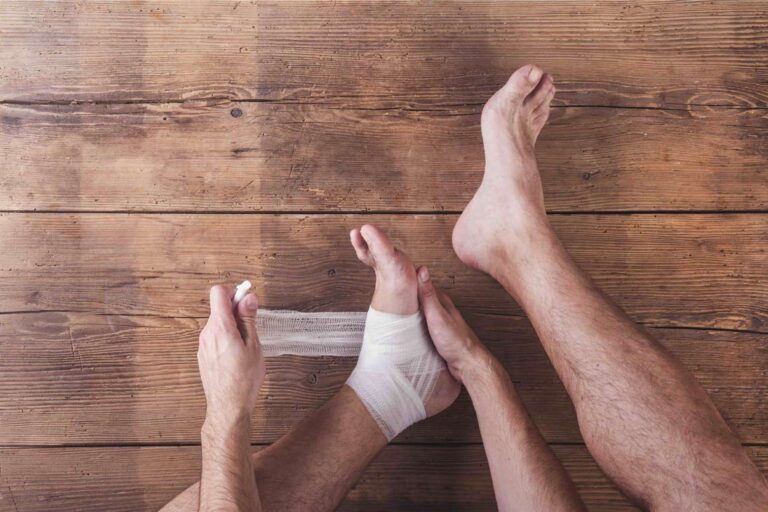

Looking after your feet does not need to mean buying lots of equipment or following a long stretching routine. Start with comfortable footwear, manageable activity and noticing problems that need attention. At The Recovery Room, we help with muscle and joint difficulties that make walking or exercise harder.
Choose shoes around the activity
Check how both feet fit with your usual socks. Notice rubbing, pressure, slipping and worn or damaged areas. Consider the ground and the walking you plan to do, rather than assume the most expensive shoe is the best choice.
Our walking-shoe guide explains practical fitting questions. Bring any prescribed footwear or inserts to a review before making changes to them.
Build activity from your current routine
After time away, give yourself a manageable starting point. A new walking route, longer shift or return to running may add demands you have not had recently. Make changes clear enough that you can describe how they went.
There is no weekly percentage or number of steps that fits everyone. If illness, an operation or an injury affects your activity, follow the individual advice you have been given.
Use exercise for a clear reason
Stretching, strengthening and balance work have different purposes. If a foot problem needs rehabilitation, we can explain which movements are suitable, show you the technique and discuss how much to do.
A tight feeling does not automatically mean you need a stronger stretch. Do not force a painful exercise or repeatedly test a sore area to work out the diagnosis.
Make recovery practical
Think about your whole week, including time standing, walking, exercise and rest. Discuss tasks that are hard to avoid so advice fits your responsibilities. A suitable alternative activity can be useful, but swapping sports is not automatically the right answer for every problem.
General habits such as eating well, sleeping and staying hydrated support health. They should not be presented as a guaranteed way to prevent heel pain or repair a particular tissue.
Notice problems without diagnosing them yourself
Persistent or recurring pain, altered feeling or difficulty walking deserves advice. Severe pain after injury, a snap or major loss of function needs prompt medical assessment. A wound, a hot red swollen foot or foot problems with diabetes also needs appropriate healthcare attention.
Do a foot, shoe and route check before you add walking
Think of a trip you want to manage, such as walking to work, doing the shopping or taking a longer path with a friend. What happens at your feet depends partly on the shoe and partly on what the trip asks of you. A shoe that feels fine on a short indoor walk may rub on a descent, while a day of errands may add time standing and bags to carry. Use these three checks to decide where to start.
| Check | What to notice | Practical next action |
|---|---|---|
| Feet | New redness, rubbing, a wound or changes in sensation | Seek advice about new problems, especially with diabetes or reduced sensation |
| Shoes | Toe room with your usual socks, heel slipping or a rough lining | Check fit indoors and look for a worn or damaged part before a longer outing |
| Route | Distance, slopes, surface and places to pause | Choose a familiar route with an easy way to turn back |
Make a small walking plan
- Choose a task you want back and an amount of walking you can already manage safely. Keep any advice you were given for an injury or health condition.
- Check the fit of both shoes with your usual socks and any prescribed inserts. If you have been advised to use particular footwear, ask your foot-care team before changing it.
- Try an ordinary outing and make a note of when discomfort or rubbing starts. Stop and check if a shoe is causing pain or damaging the skin.
- Review how your feet feel later and whether the next day’s activities were manageable. Repeat the route or discuss a change before adding a longer trip.
For example, if the usual commute is comfortable but wearing the same shoes on a hill causes rubbing, describe where it happens and when it begins. The next discussion might focus on fit for slopes and what to use for that route.
If you need to wear different shoes for work and exercise, check them separately. Problems may only show up in one pair or during one task. Bring that pair to an assessment if possible, along with the socks or inserts you normally use.
Frequently asked questions
Do I need special shoes to start walking again?
⌄
⌄
What if my feet feel fine but I have reduced sensation?
⌄
⌄
When should I get a sore foot checked?
⌄
⌄
Let us help with the activities you miss
If a non-urgent muscle or joint problem in your foot is limiting daily life, book an assessment at our Southampton clinic. Tell us about the walks, work or exercise you want to regain so we can discuss the next step.
Book a foot pain assessment