You do not need to arrive at a beginner Pilates class knowing the exercises. A useful first goal is to understand the session, ask questions and find a comfortable starting point. Preparing a few practical details can make that first visit feel more straightforward.
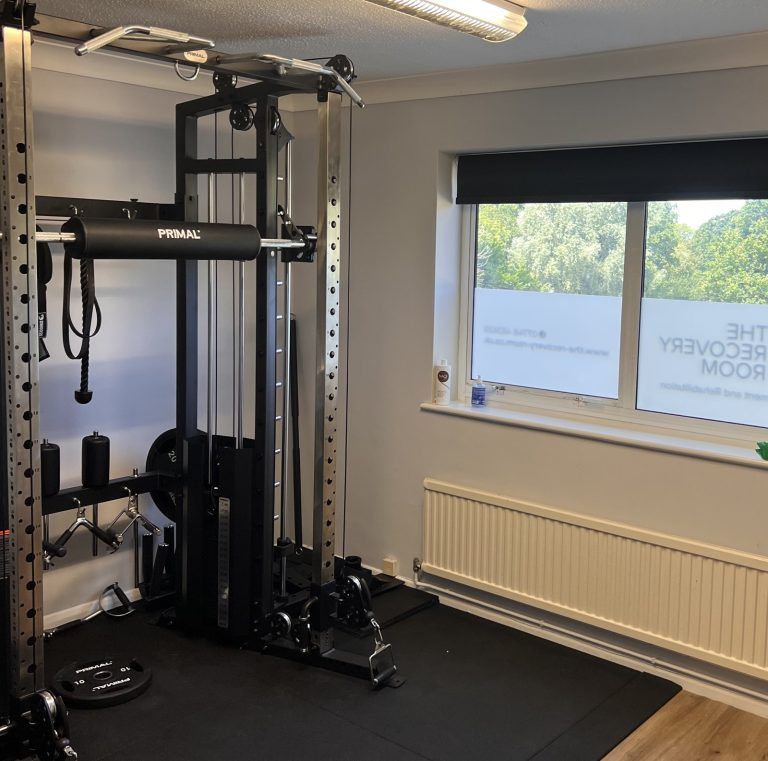
The Recovery Room offers small-group Pilates classes. This guide covers preparation rather than promising a particular result. Check the current class listing and contact the clinic for availability, equipment and suitability advice.
Before booking: discuss suitability
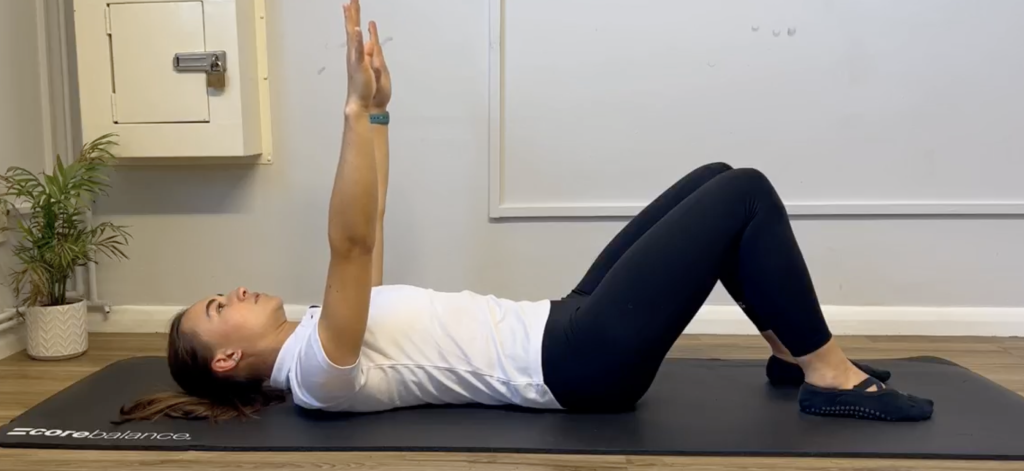
Pilates generally involves controlled movements that work on strength, balance and flexibility. A general class is not a substitute for individual injury assessment. If you have a health condition, current symptoms, a recent injury or operation, or are pregnant or have recently given birth, seek advice about an appropriate starting point before taking part.
Tell the clinic what you would like to achieve and whether getting down to or up from the floor is difficult. That conversation helps establish whether the advertised class is suitable or whether another type of support should come first.
Your preparation checklist
- Confirm the class time, location and arrival instructions from your booking.
- Ask whether a mat or other equipment is provided and what footwear is appropriate.
- Choose comfortable clothing that allows movement.
- Bring any questions about symptoms or movements you are unsure about.
- Tell the instructor about relevant changes in your health before the session starts.
Use the current booking information for prices and class arrangements. An older social post or article may refer to a previous course, so it is worth checking rather than assuming those details still apply.
What happens in a beginner session?
⌄
⌄
Do I need to be flexible already?
⌄
⌄
What if an exercise hurts?
Stop the movement and tell the instructor if you feel pain or become unwell. Do not keep repeating a painful exercise to prove you can do it. Persistent or concerning symptoms need appropriate healthcare advice; a group session cannot investigate every cause of pain.
Should I practise at home?
⌄
⌄
Choose your next step
Visit the Pilates class page for current information. If you are unsure whether a class or individual appointment is the right starting point, ask the clinic before booking.