

A new setback
If the main question is what changed and why the problem is affecting your running, start with Assessment. Bring one example of a run or everyday task the problem interrupted.


When pain interrupts your running, start with understanding the problem. Get an assessment that considers your symptoms, training and goals, then discuss a plan for your next steps.

Explore the next stage of your running injury care.
Running injury overview You are here
See what we ask, what we assess and what to bring.
Explore assessment →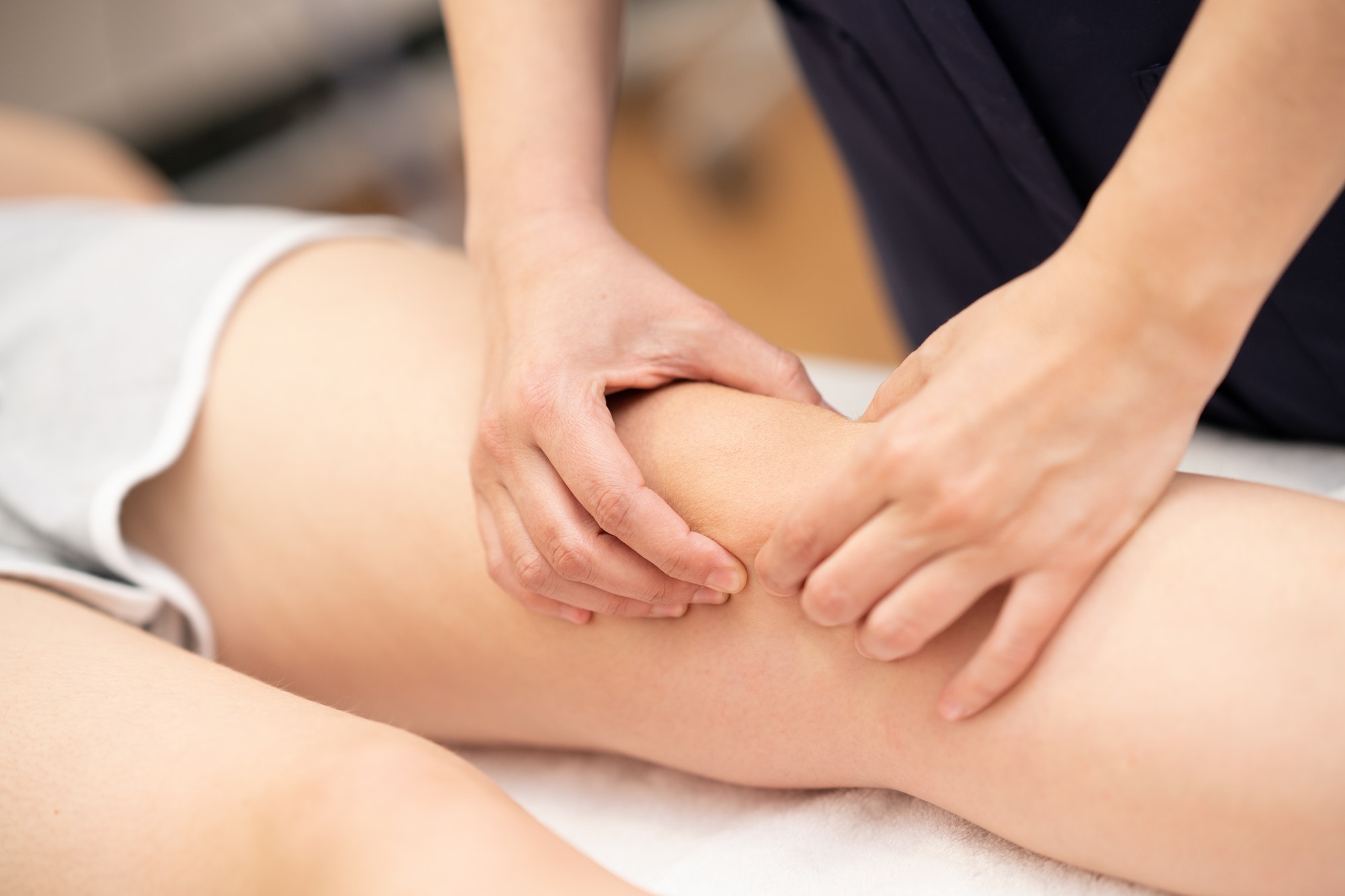
Understand the options you can discuss after an assessment.
Explore treatment →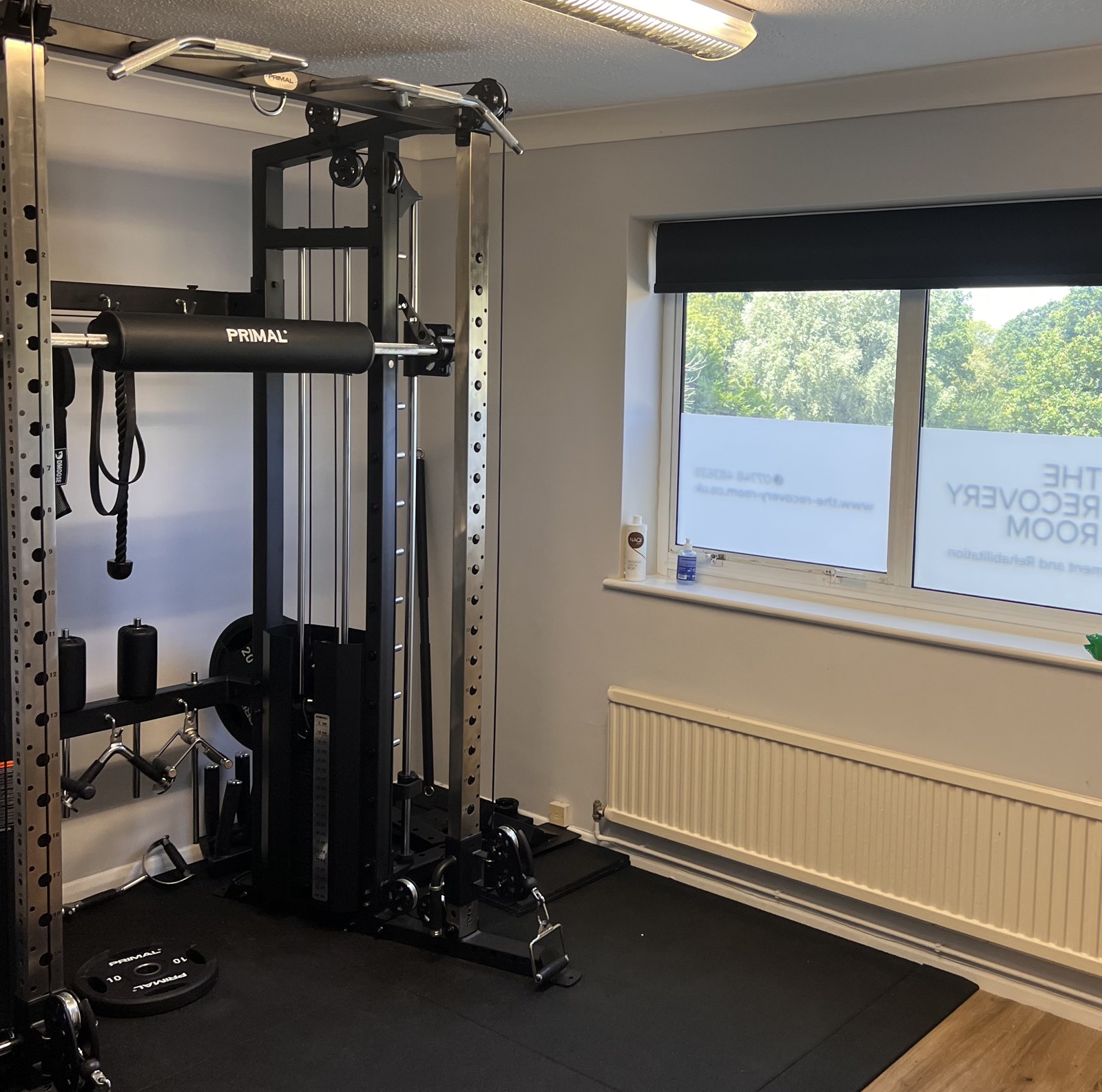
See how exercises, practice and reviews fit into your plan.
Explore rehabilitation →
Plan a starting point and learn what to review after a run.
Explore returning →You might be preparing for an event, returning after time away or simply running for enjoyment. Your clinician considers what running means to you and how the problem affects your training and everyday life.
If the main question is what changed and why the problem is affecting your running, start with Assessment. Bring one example of a run or everyday task the problem interrupted.

If you’re choosing between approaches, use Treatment Options to compare what each is meant to change. If you already have an exercise plan, go to Rehabilitation for a record you can bring to review.

If the next decision is how to plan a first run or what to report after it, go to Return to Running for the session log and discussion prompts.
Your symptoms, training and movement help build a fuller picture. The assessment is tailored to your needs rather than a fixed checklist for every runner.

Discuss the injury, previous care, recent mileage and training changes, footwear, running habits and the goals you are working towards.

Your clinician may assess strength, endurance, balance and single-leg control. Running technique or video analysis may be discussed where relevant.

Discuss the findings and your options, including rehabilitation, training adjustments and how progress will be reviewed.
The clinic assesses runners with knee, Achilles, heel, shin, calf, hamstring, hip and ankle problems. Similar symptoms can have different causes, so an assessment helps clarify the next step.
Browse running articles →
Your plan may include strength work, movement exercises, training guidance and a staged return to running. The approach and review points depend on your assessment and response. For the decisions at each stage, see our step-by-step running injury recovery guide.
See our rehabilitation approach →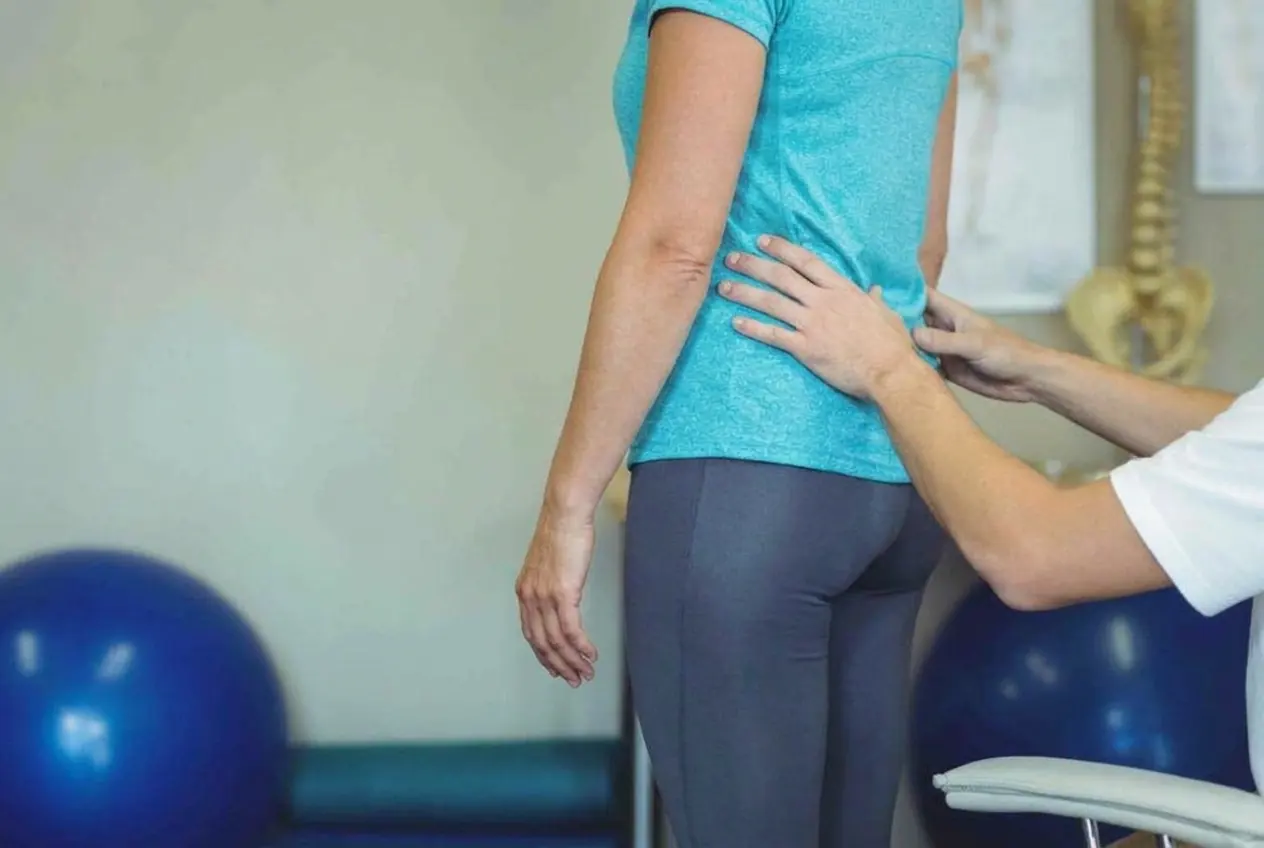
Discuss exercise technique, the proposed amount of work and how it fits around your routine.
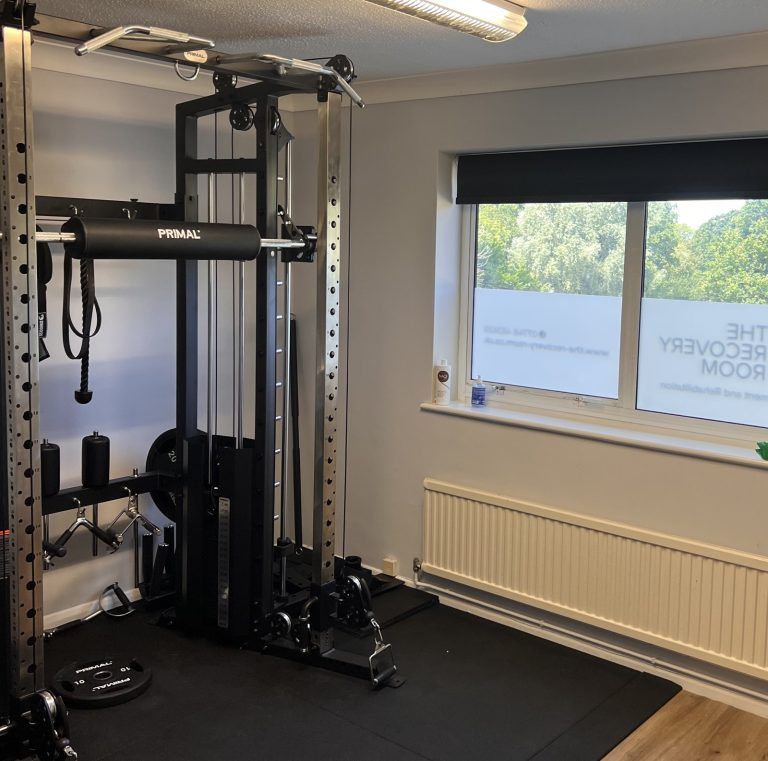
Agree what to monitor and when to adjust your rehabilitation or running plan.

Discuss event plans and timeframes with your clinician. Recovery and return-to-running timelines vary.
For example, compare your usual week with the week symptoms started: distance or duration, hills, faster sessions and recovery days. This gives the assessment context; it does not prove the cause of an injury.
A short training note can make your appointment more useful. Record when the problem began, what changed in your training and what it now stops you doing.
Ask what the working explanation is, what remains uncertain, what activity is agreed for now and when to review. Our assessment guide provides a preparation checklist.
James Kirkpatrick, Clinic Director and Lead Therapist, holds an MSc in Sports Therapy and a BSc in Sports Science. He founded The Recovery Room in 2012 and is a member of the Society of Sports Therapists (SST8030). His interests include running injuries, tendon pain and exercise rehabilitation. Meet James, Adele Young and Katie Dunn and read their individual backgrounds.
Meet your clinicians →
The Recovery Room
Romsey Golf Club, Romsey Road
Southampton, SO16 0XW
Welcoming runners from Southampton, Romsey, Totton and the New Forest.
Directions and contact details →Yes. You can discuss a running problem whether you are working towards your first 5K, running for enjoyment or training for an event. Tell us which activity you want to get back to.
Start with Assessment if you want to understand a new problem. Use Treatment Options to compare approaches, Rehabilitation if you have exercises to work through, or Return to Running to prepare for your first agreed run.
You can book directly at The Recovery Room, Romsey Golf Club, Romsey Road, Southampton, SO16 0XW. Check the appointment options or call 07748 483639 to confirm the appointment type, fee and what it includes.
Tell the clinic what you noticed on your last run and during everyday activities. If a recent injury is very painful or getting worse, you have substantial swelling, or you cannot put weight on it, check the NHS guidance and seek advice from NHS 111.
An assessment can help you and your clinician discuss a starting point based on your injury, everyday activity and relevant movement checks. Use the return-to-running guide to prepare your questions. A first easy run and a return to your usual training are separate decisions.
Start with common running problems and what recovery can involve.
Start with an assessment to discuss what is holding you back and what you want to work towards.
Book a running injury assessment →Questions first? Call 07748 483639

A concise comparison of tennis and golfer’s elbow, with questions to take to an assessment.

Plan manageable everyday activity during a back-pain flare-up and recognise when medical help is needed.

Understand what to discuss at an assessment for shoulder pain during reaching and lifting.

A practical guide to ankle-sprain recovery, staged goals and when to seek medical help.

Unsure when to run after a soleus injury? We explain the main decisions and how The Recovery Room can help you plan a suitable return.

Questions to ask about musculoskeletal imaging, what a scan might change and how results are interpreted.
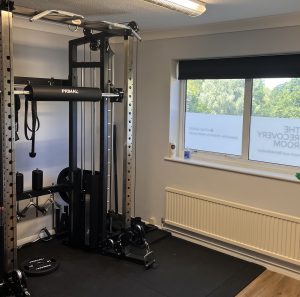
Find out how assessment, suitable exercises and treatment can fit together for calf pain, with practical support from The Recovery Room.

Prepare a staged return to tennis that considers serving, movement, practice and review.

Deep calf pain without an obvious injury? Learn when to seek medical help and when routine assessment at The Recovery Room may be appropriate.

Ask about the purpose, application and skin checks when considering sports tape or a support.
“James gave me strengthening exercises which were accessible and manageable in the time inbetween and listened to my worries and concerns.”
Marie Cooper
An individual experience. Treatment outcomes vary.