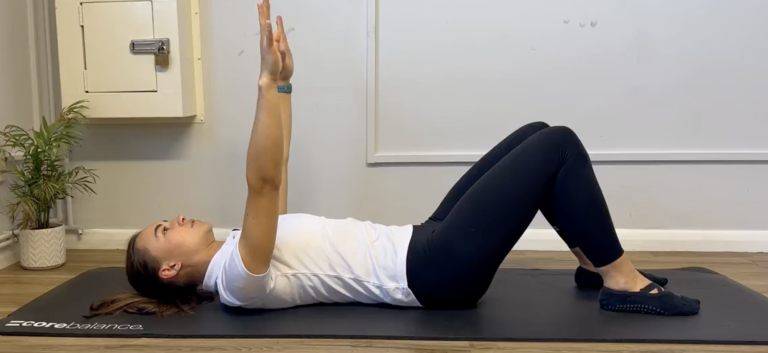

Reaching for a shelf, putting on a coat or lifting a bag can make a shoulder problem noticeable long before sport enters the picture. The same task can be uncomfortable for different reasons, so its name alone does not establish a diagnosis.
A useful assessment connects your symptoms with the activities you need to do. This article explains what to notice and what to discuss. It is general information, not a test for identifying an injured structure at home.
What your symptom pattern can tell the clinician
Try to describe where you feel the discomfort, when it began and which part of a task is difficult. Is reaching up different from reaching behind you? Does carrying a light bag feel different from lifting something away from your body? Have symptoms changed since they started?
You do not need medical vocabulary. A clear example, such as difficulty placing a mug on a particular shelf, gives the discussion a practical focus. Mention any injury, stiffness, sleep disturbance, tingling or changes elsewhere in the arm.
Why reaching pain is not one diagnosis
Several shoulder conditions can cause pain when using the arm. The NHS lists tendon and bursa problems among possible causes, but also describes other conditions with different patterns. Symptoms overlap, and a description read online cannot confirm which applies to you.
A previous label is still useful information to bring. Include when it was given, what was examined and whether anything has changed. Avoid assuming that every new episode has exactly the same explanation.
What an assessment can help clarify
The conversation and examination can explore how the problem affects movement and daily function, whether rehabilitation is appropriate and whether further medical investigation is needed. Explain the goal that matters most: sleeping more comfortably, dressing, working or returning to a particular activity.
- Which movements or tasks are we working towards?
- What should I change temporarily?
- What can I continue doing?
- How should I review the response to the plan?
- When should I contact you or seek medical advice?
Keep activity manageable
NHS guidance encourages gentle shoulder movement rather than stopping all use. Avoid activities that clearly worsen symptoms, and do not invent strenuous exercises or test heavy gym equipment while the problem is unresolved. Ask a pharmacist or GP about suitable pain relief if needed.
For an appointment, bring one or two examples of the tasks you want help with. A note about what you have already tried avoids repeating an approach without discussing its effect.
When to seek medical help
Get urgent advice from a GP or NHS 111 for sudden severe pain, inability to move the arm, marked swelling or a change in shape, persistent pins and needles, loss of feeling, an unusually hot or cold arm, or feeling feverish or unwell. Pain after an injury or accident also needs prompt advice. Contact a GP if pain is worsening or has not begun improving after two weeks.
Explore the right next step
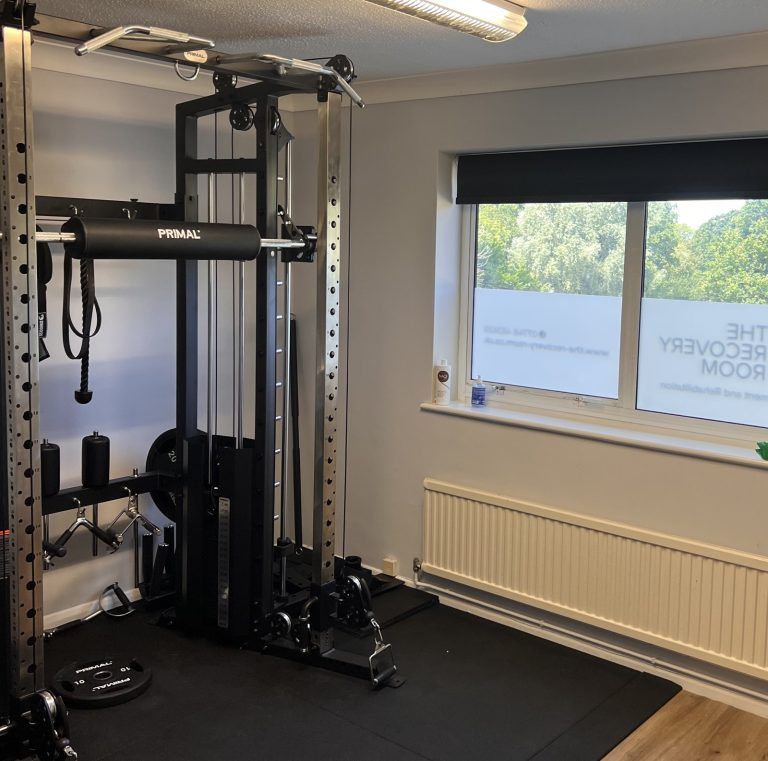
For a non-urgent shoulder problem, contact The Recovery Room. Our existing shoulder injury article discusses a broader range of injuries, while the surfing article considers a specific sporting context.