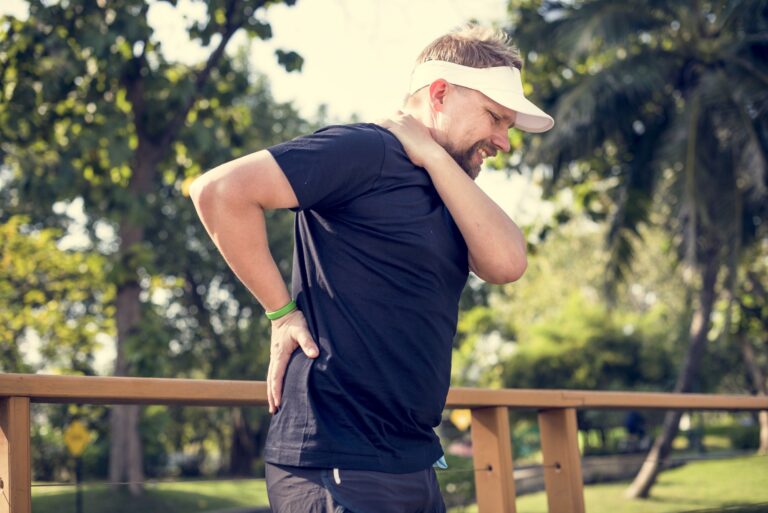

Gardening can combine lifting, carrying, reaching, kneeling and long periods on one task. If you have a history of back pain, planning the work can be more useful than looking for one perfect gardening posture.
01
Plan the job before you start
List what the task actually involves. Moving compost, pruning and planting place different demands on the day. Decide what is necessary, what can wait and what would benefit from help. Consider where materials can be placed so repeated carrying is reduced.
Choose a manageable amount rather than treating the whole garden as a single session. Allow enough time to stop without leaving a heavy or awkward job halfway through in an unsafe position.
02
Change tasks and use practical help
Consider alternating jobs rather than spending the entire session in one position. A suitable tool, a smaller load or assistance with the most demanding part may make work more manageable. Check that equipment is stable and safe to use.
There is no single technique that guarantees prevention of back pain. If a particular movement is difficult, describe it at an assessment rather than repeatedly forcing it to prove you can manage.
03
Review the amount, not just the movement
After time away from gardening, an enthusiastic first day can involve much more activity than your recent routine. Note the task, approximate duration and other physical demands that day. This gives you useful context for deciding what to do next.
NHS back-pain guidance generally encourages staying active rather than prolonged bed rest. If you have a specific diagnosis, recent surgery or restrictions, use the individual advice you have been given.
Plan the job from setup to clean-up
When people describe a gardening flare-up, they often name the main job, such as planting bulbs or pruning. The work around it matters too. Lifting the compost bag, carrying water and putting the tools away can add a second round of effort after you have already spent time digging. Before you start, sketch the whole job and pick a version that leaves you enough energy to finish safely.
| Job | Smaller starting version | What to record |
|---|---|---|
| Weeding a border | Choose one section and have a stable place to change position or pause | How much you finished and when changing position helped |
| Watering containers | Use a smaller fill or a hose if you can route it safely | Number of trips and whether carrying or standing was harder |
| Repotting plants | Set up at a comfortable work height and ask for help moving the largest pots | Which parts you managed and how your ordinary activities felt afterwards |
A four-step plan for getting back into the garden
- Choose a job with a natural stopping point. Pick one container or a marked section of the border. Decide what you can leave for another day so you can finish without rushing.
- Set up first. Put tools and supplies where you can reach them. Clear the route to the shed or bin. Arrange help for bulky loads if that is part of the job. Take account of wet or uneven surfaces.
- Give the session a limit. Start with an amount you expect to manage. Take a break or change tasks if symptoms are increasing or you are finding it harder to move. Keep any activity advice your clinician has given you.
- Review the effect on the rest of your day. Note the job, time spent and what you lifted or carried. Check whether essential tasks later or the next morning feel manageable. Decide whether to repeat the same version, make it smaller or discuss adding one demand.
For example, you might be able to plant two pots at a bench and still find clearing a large bag of compost difficult afterwards. Ask someone to move the bag or arrange smaller amounts ahead of time. If that version fits your day, you have a starting point you can repeat. NICE encourages people with back pain to continue normal activities with advice tailored to their needs and capabilities. NICE guidance on low back pain and sciatica
Frequently asked questions
Should I do all the jobs on a day when my back feels good?
⌄
⌄
Does one gardening posture work for everybody?
⌄
⌄
What should I take to an assessment?
⌄
⌄
Questions for a practical plan
- Which part of the job is most demanding?
- Can materials be divided into smaller loads?
- What task could be alternated with this one?
- When will you pause and review the amount?
- What help is available for work you cannot manage safely?
When to seek medical help
Seek emergency assessment for back pain with new bladder or bowel changes, loss of feeling around the genitals or anus, symptoms in both legs, or new changes in genital sensation or sexual function. Pain after a serious accident or with chest pain also needs urgent help. Sudden severe or rapidly worsening pain, or fever and feeling unwell, warrants urgent GP or NHS 111 advice.
For persistent non-urgent difficulties, contact the clinic. Our back assessment article explains the existing service approach.