



The Recovery Room · Southampton
Returning to running after injury in Southampton
Move from rehabilitation towards running with a plan that reflects your injury and goals. Discuss readiness, a suitable starting point and how to respond to symptoms with your clinician at The Recovery Room.
Book a running injury assessmentRomsey Golf Club, Romsey Road, Southampton, SO16 0XW. Welcoming runners from Southampton, Romsey, Totton and the New Forest. Directions and contact details.
Find your next step
Explore the next stage of your running injury care.
Running injury overview
Assessment
See what we ask, what we assess and what to bring.
Explore assessment →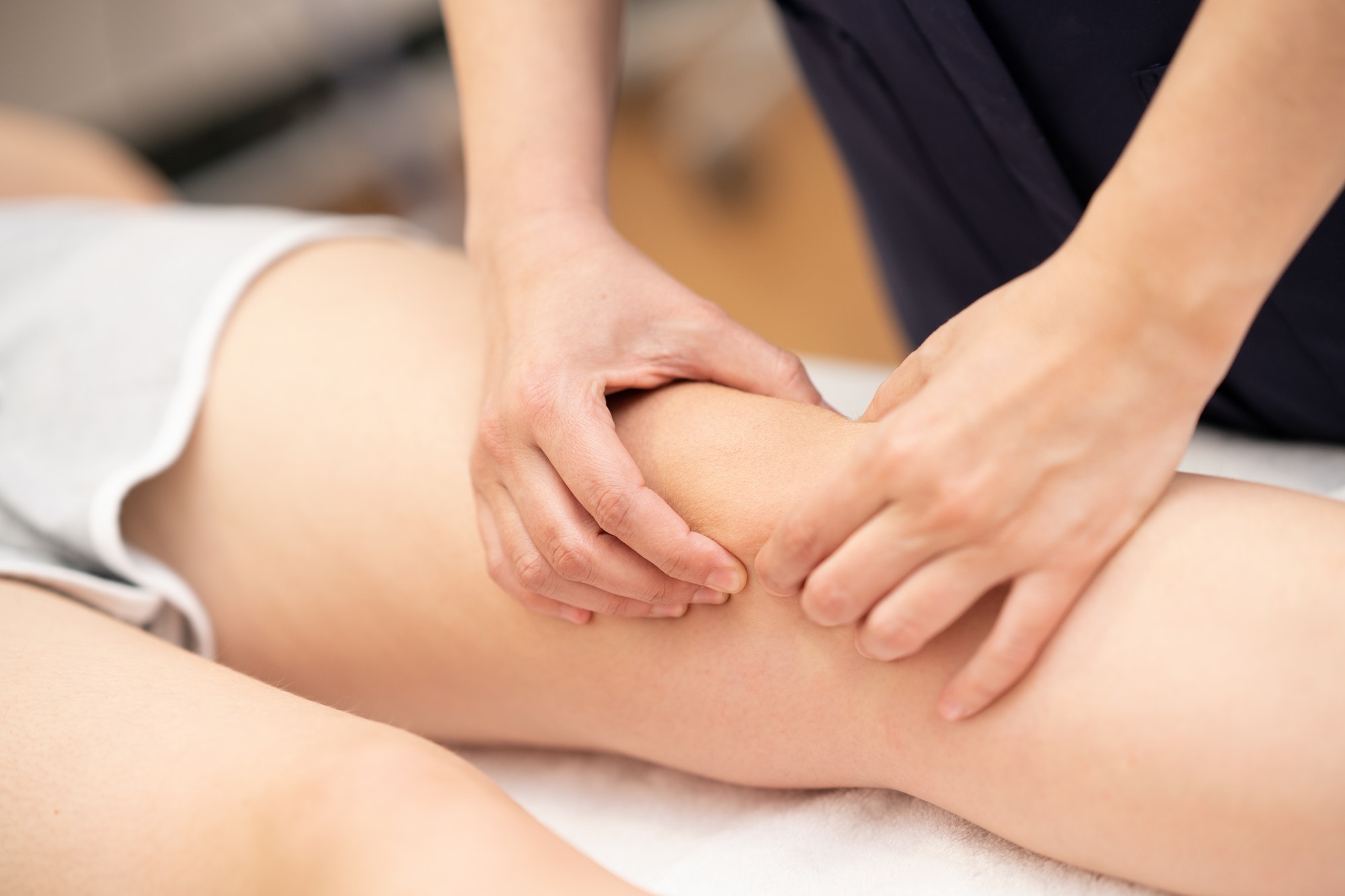
Treatment options
Understand the options you can discuss after an assessment.
Explore treatment →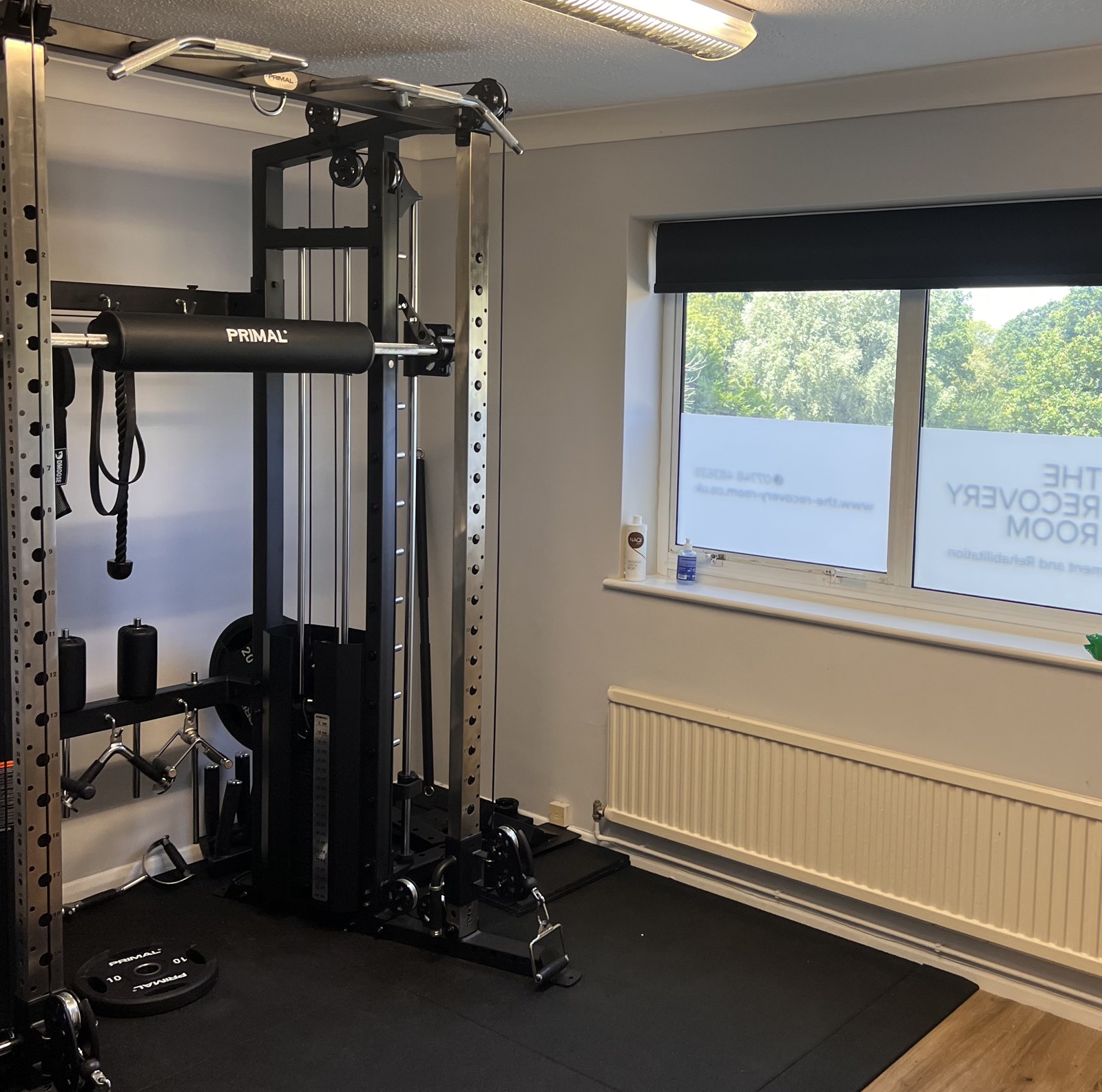
Rehabilitation
See how exercises, practice and reviews fit into your plan.
Explore rehabilitation →
Return to running
Plan a starting point and learn what to review after a run.
Explore returning → Check readiness before testing a run
Before a first run, review everyday activity, walking tolerance and the strength or functional tasks selected for your injury. Also agree how to recognise an unsuitable response and whom to contact. These are questions for a readiness discussion, not a self-clearance test; feeling fitter or reaching a calendar date does not establish that an injured area is ready.

Agree your starting point
Agree the run/walk structure, total session length, recovery between sessions, route and effort before you start. A predictable route makes the response easier to compare. The Berkshire Healthcare NHS guide describes a staged run/walk approach, but its example schedule is not an individual prescription for every injury.

Monitor during the session and afterwards
Record symptoms before, during, later that day and the following morning. Include what you actually did, rather than only what was planned. Sharp pain, persistent swelling or symptoms that worsen as you continue are reasons to stop and seek advice. Use the adjustment rules agreed with your clinician instead of testing through a setback.

Build up one decision at a time
Keep a record of duration, frequency, effort and hills so you can identify what changed. Decide with your clinician which element to develop next and which to keep stable. A comfortable first run does not establish readiness for your previous long run or race, and no single weekly percentage is suitable for every recovery.
Take a clear record into your next review

Illustrative running image from the existing library.
Before you start
Before your first agreed session, write down the route, run/walk structure and what you and your clinician have agreed would make you stop or change the plan. Ask what response to record later that day and the next morning, and who to contact if you’re unsure. Use this note to remember the agreed plan.
Your run/walk session log
Date, route and surface: ___
Agreed running, walking and recovery: ___
What I actually did and what changed: ___
Symptoms before and during: ___
Response later that day and the next morning: ___
Question or next step agreed with my clinician: ___
Separate returning from progressing
When comparing sessions, write down what changed. “Same route and run/walk pattern, but a faster effort” is more useful at review than “I ran more.” If several things changed together, record them all so you and your clinician can discuss what to keep stable before changing the plan. If you are unsure which stage applies, use our running injury recovery guide to find the next decision.
Keep rehabilitation connected to your goals
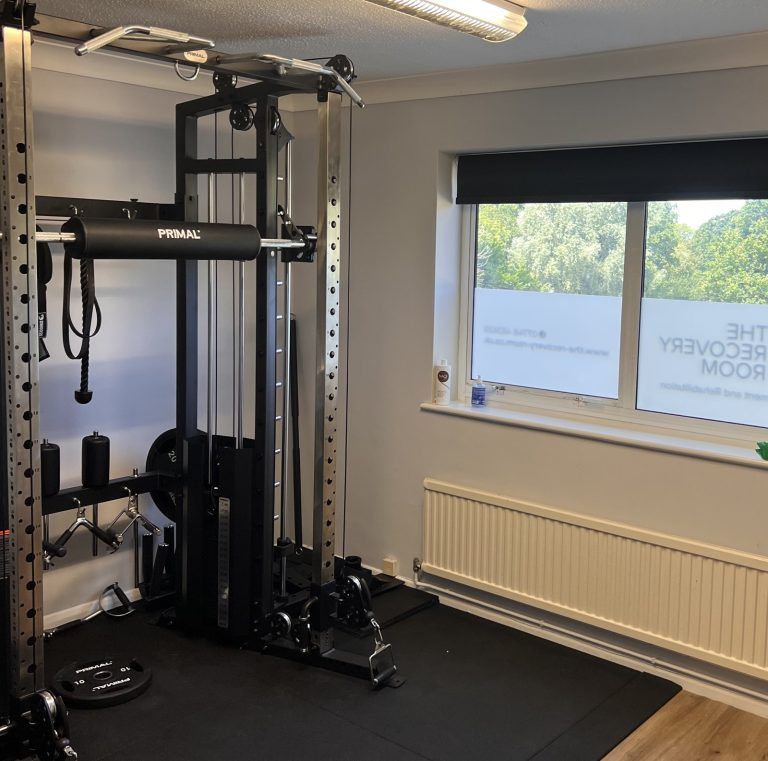
Continue the exercises agreed with your clinician as running is reintroduced. Your plan may need further work before longer runs, faster sessions or a race. See running injury rehabilitation for how progress reviews support these decisions.

If a setback interrupts the plan
A setback is a reason to review what happened and reassess your next step. Tell your clinician about changes in symptoms or activity, including anything outside running that may have affected recovery. Return to the assessment page if you need help understanding a new problem.

Your clinical team
James Kirkpatrick, Clinic Director and Lead Therapist, holds an MSc in Sports Therapy and a BSc in Sports Science. His clinical interests include running injuries, tendon pain and exercise rehabilitation. He founded The Recovery Room in 2012 and is a member of the Society of Sports Therapists (SST8030). Read James’s background and meet Adele Young and Katie Dunn.
Related running articles
Read examples of getting back to running after specific setbacks.




For severe or worsening pain, substantial swelling or difficulty putting weight through an injured leg, seek advice from NHS 111. Read the NHS guidance on sprains and strains for when urgent help is needed.
Further reading · Berkshire Healthcare NHS guidance on returning to running. General information should be considered alongside advice for your own injury.
One client’s experience
“I'm pleased to say that I am now running as much as I was prior to injury with a positive shift in the mind set that I carry with me. I would reccommend The Recovery Room to anyone seeking professional, specialist knowledge and support through and post injury.”
Marie Cooper
An individual experience. Treatment outcomes vary.