


The Recovery Room · Southampton
Running injury rehabilitation in Southampton
Build a practical exercise plan around your injury, starting point and running goals. The Recovery Room supports you through exercises, activity planning and progress reviews at our Southampton clinic.
Book a running injury assessmentRomsey Golf Club, Romsey Road, Southampton, SO16 0XW. Welcoming runners from Southampton, Romsey, Totton and the New Forest. Directions and contact details.
Find your next step
Explore the next stage of your running injury care.
Running injury overview
Assessment
See what we ask, what we assess and what to bring.
Explore assessment →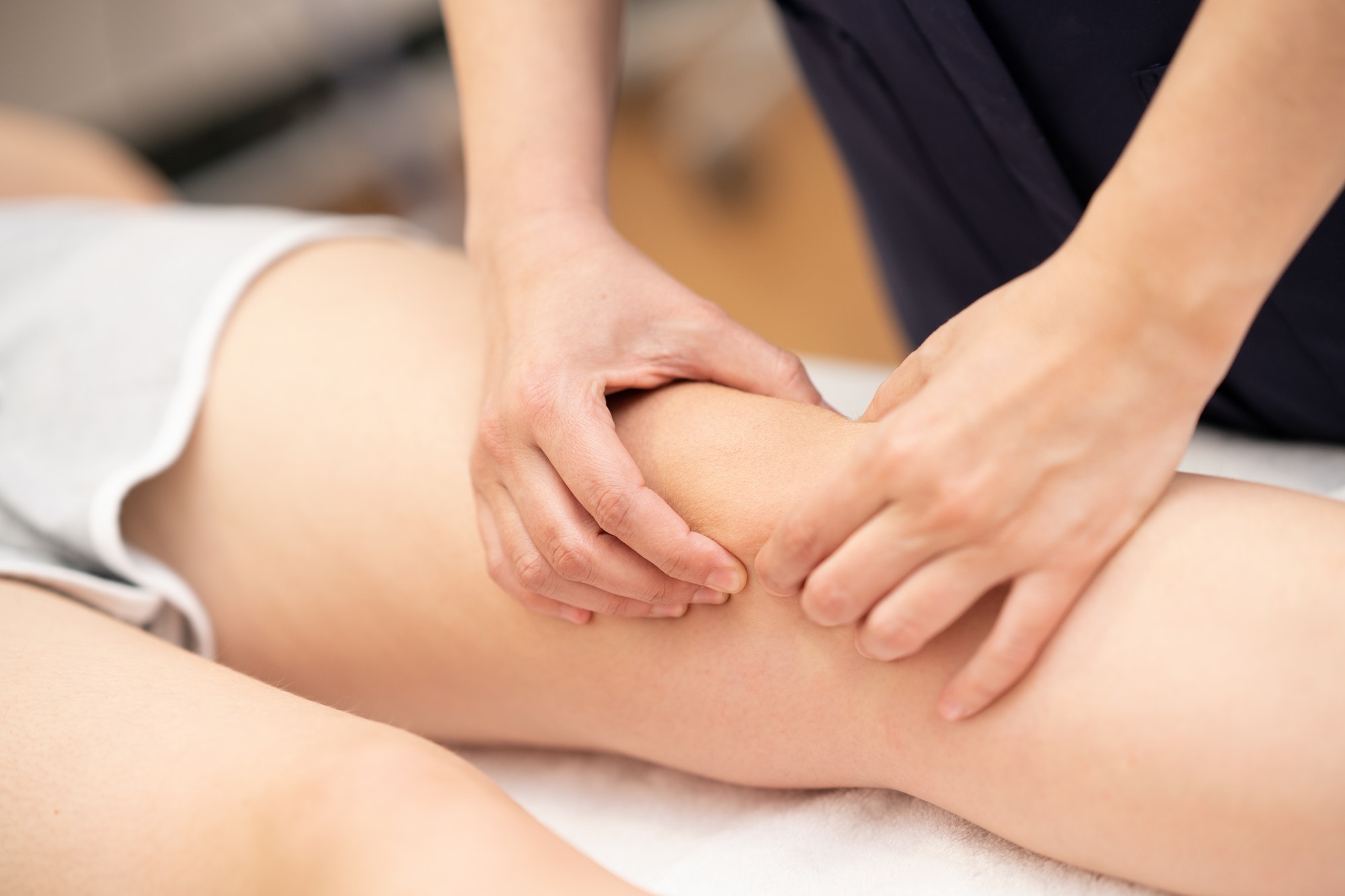
Treatment options
Understand the options you can discuss after an assessment.
Explore treatment →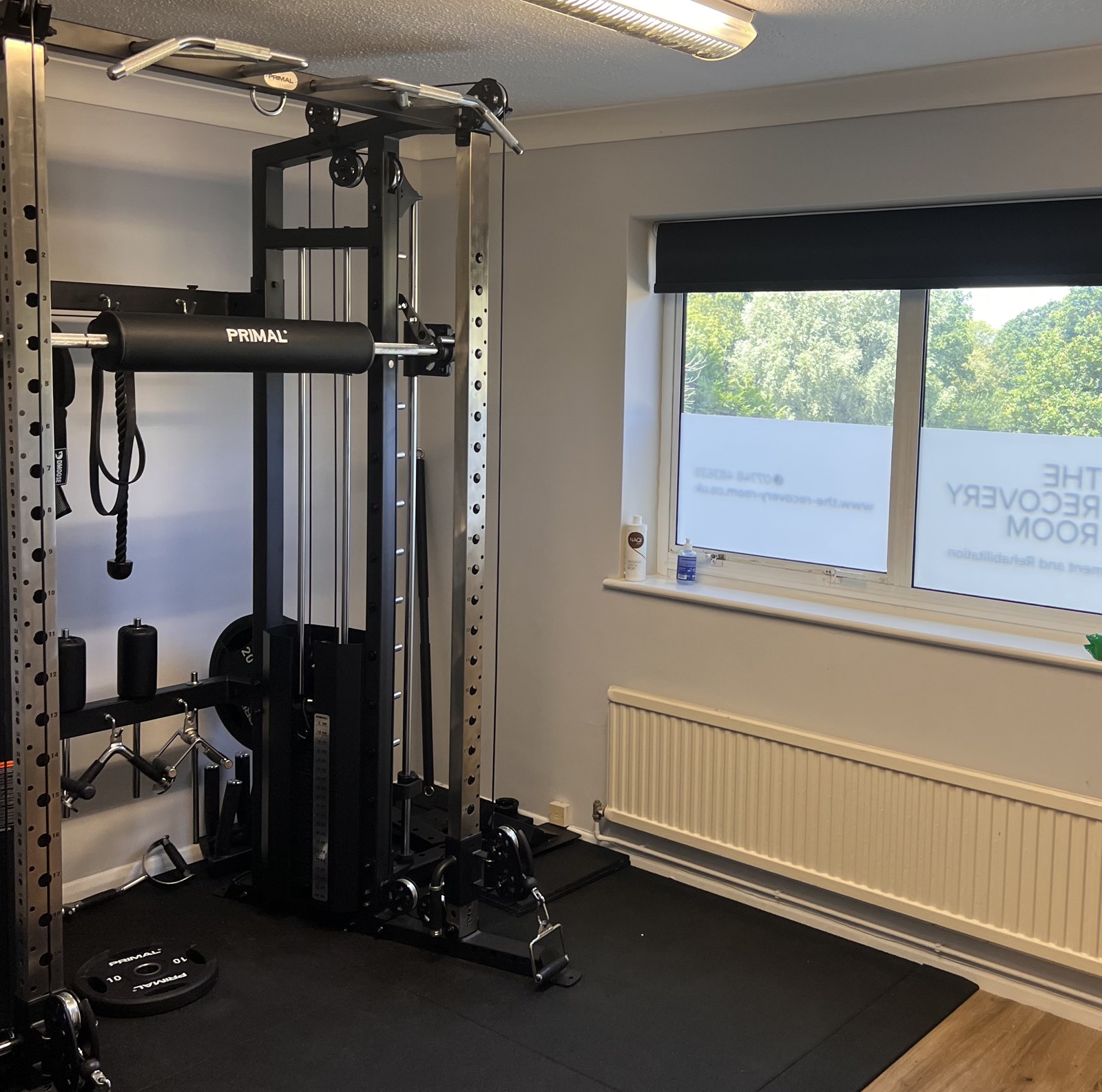
Rehabilitation
See how exercises, practice and reviews fit into your plan.
Explore rehabilitation →
Return to running
Plan a starting point and learn what to review after a run.
Explore returning → Turn assessment findings into a practical plan
Begin with the activity you want to regain, then work backwards to the tasks your rehabilitation needs to address. Strength, balance, movement or endurance exercises should have a clear purpose in your plan. Tell your clinician what equipment, time and space you have so the programme can fit your week.

Know what to practise between appointments
For each exercise, write down the name, amount, resistance or difficulty, and the response your clinician has asked you to monitor. Keep technique instructions with the plan. If the exercise is unclear or symptoms differ from the agreed response, ask for guidance rather than guessing how to progress.

Build towards the demands of your running
An easy run, a long run and a hill session place different demands on you. Use the goal to make rehabilitation more specific: what needs to improve before that activity returns, and how will you and your clinician recognise progress? Exercise choices and progression depend on your assessment; completing a set number of weeks is not a readiness test.
A simple rehabilitation progress record

James at The Recovery Room.
Copy this for your next session
Date and agreed exercise: ___
Planned amount and difficulty: ___
What I actually did, and why it differed: ___
Response during and afterwards: ___
Effect on the everyday task I’m working towards: ___
One question for review: ___
What the record helps explain
Keep the planned and completed work separate. For example, “I stopped after the second set because I was unsure about the technique” gives your clinician a different question to address from “I completed every set but noticed symptoms on the stairs the next day.” Bring the observation and ask what it means for your individual plan.
Connect it to your next step
Use your review to agree what still needs work before running is reintroduced. The return-to-running guide covers the questions to settle before that first session.
Use reviews to guide the next step
Choose one everyday task with your clinician that you can describe consistently, such as walking to a familiar landmark or using the stairs at home. At review, compare how that same task felt alongside the work you actually completed. If progress has stalled, separate difficulty fitting in the plan from changes in symptoms, movement or confidence so you can discuss the right problem. If you need to compare other approaches, use the running injury treatment guide.
Plan a return to running alongside rehabilitation
When you are ready, agree a suitable starting point for running and how to monitor the response. Strength work and other rehabilitation may continue as running is reintroduced. Read returning to running after injury for the decisions involved.
Support at Romsey Golf Club
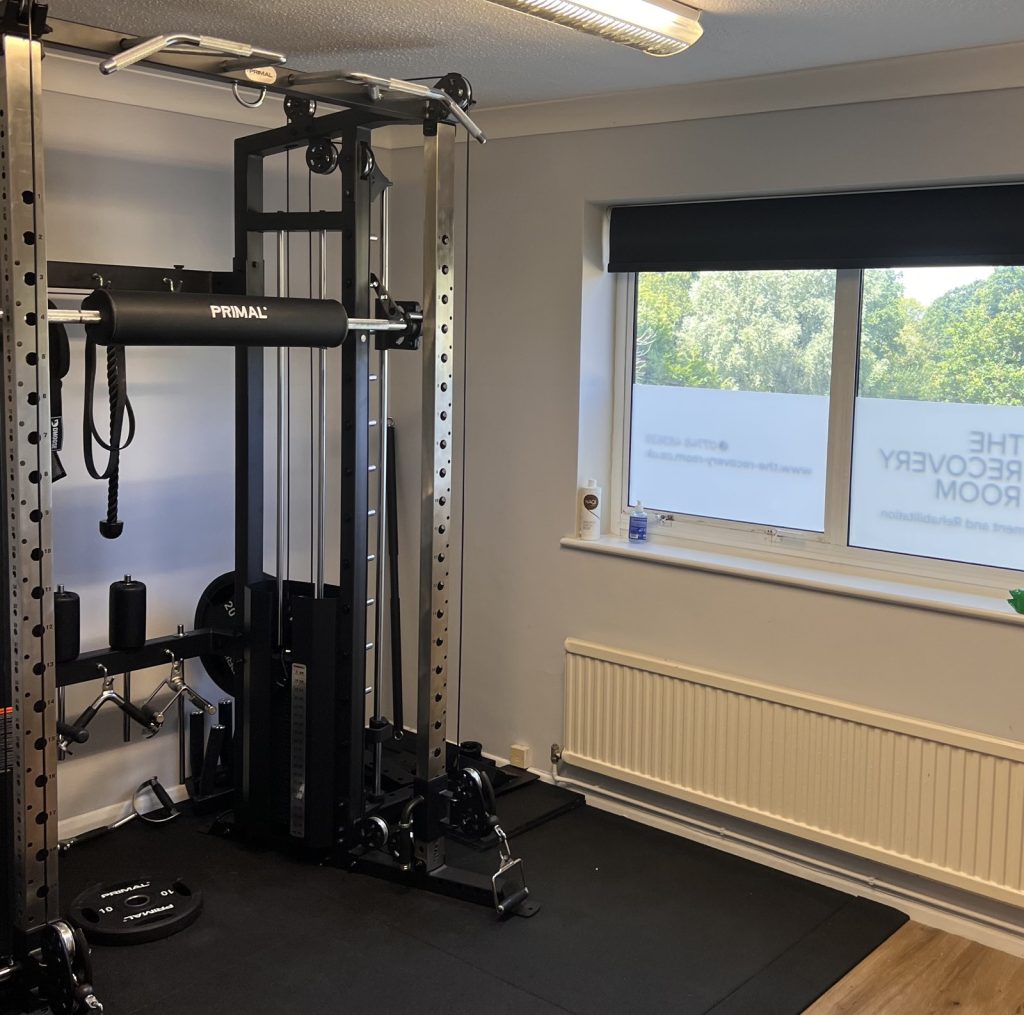
Appointments take place at The Recovery Room, Romsey Golf Club, Romsey Road, Southampton, SO16 0XW. Discuss how clinic sessions and work at home can complement each other. Contact the clinic if you are unsure which appointment to choose.

Your clinical team
James Kirkpatrick, Clinic Director and Lead Therapist, holds an MSc in Sports Therapy and a BSc in Sports Science. His clinical interests include running injuries, tendon pain and exercise rehabilitation. He founded The Recovery Room in 2012 and is a member of the Society of Sports Therapists (SST8030). Read James’s background and meet Adele Young and Katie Dunn.
Related running articles
Explore injury-specific examples of exercise, progress reviews and recovery.



For severe or worsening pain, substantial swelling or difficulty putting weight through an injured leg, seek advice from NHS 111. Read the NHS guidance on sprains and strains for when urgent help is needed.
Further reading · NHS information on common running injuries.
One client’s experience
“He has helped me rehabilitate from a calf muscle tear and step by step get me back to being able to run / play football again on it.”
Elliott Harris
An individual experience. Treatment outcomes vary.