


The Recovery Room · Southampton
Running injury treatment options in Southampton
The right starting point depends on your injury, symptoms and goals. Discuss your options at The Recovery Room and agree how treatment, exercise and changes to activity could fit together.
Book a running injury assessmentRomsey Golf Club, Romsey Road, Southampton, SO16 0XW. Welcoming runners from Southampton, Romsey, Totton and the New Forest. Directions and contact details.
Find your next step
Explore the next stage of your running injury care.
Running injury overview
Assessment
See what we ask, what we assess and what to bring.
Explore assessment →
Treatment options
Understand the options you can discuss after an assessment.
Explore treatment →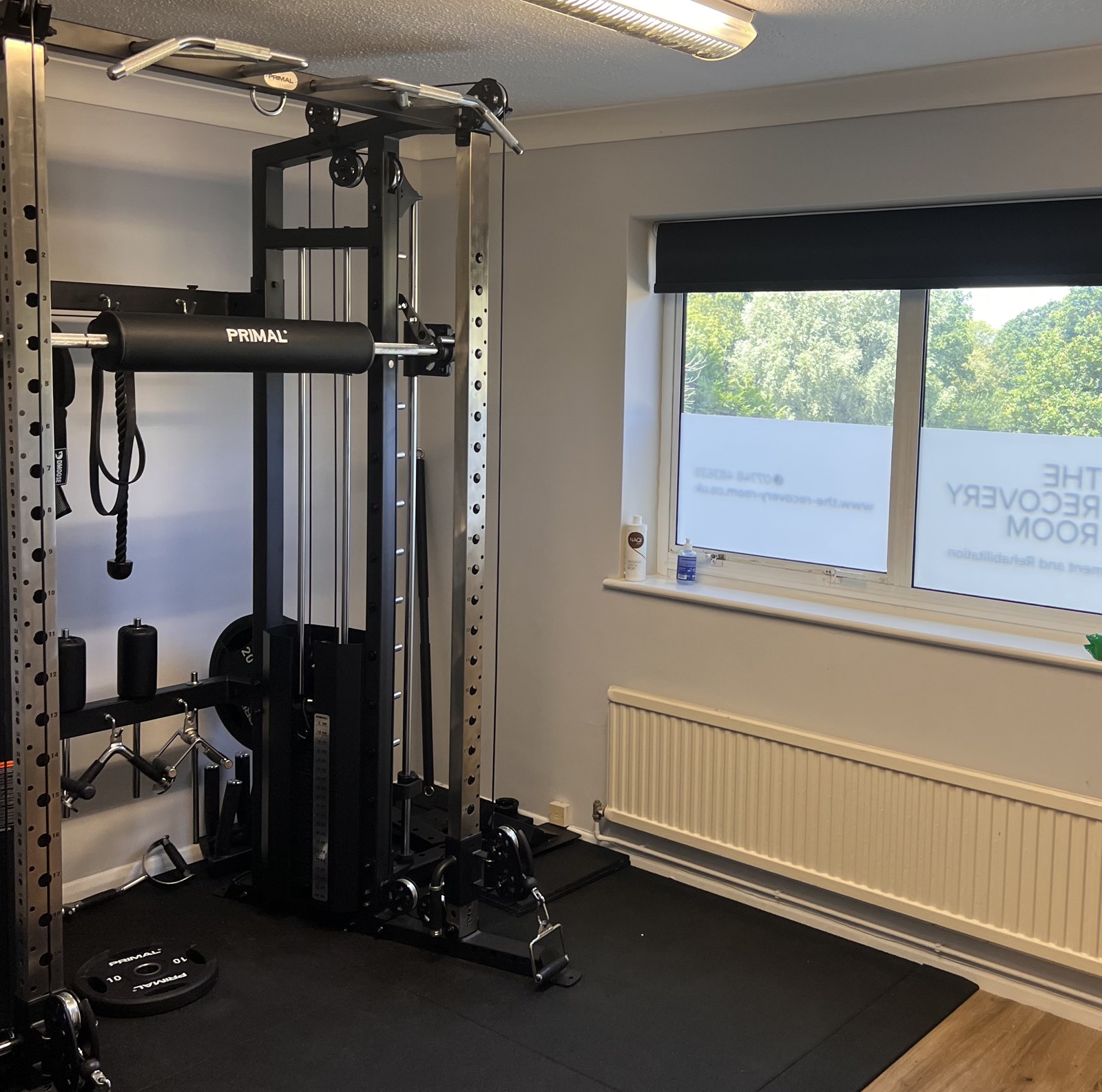
Rehabilitation
See how exercises, practice and reviews fit into your plan.
Explore rehabilitation →
Return to running
Plan a starting point and learn what to review after a run.
Explore returning →Choose treatment after an assessment
Start with the problem you want to change: pain during a run, difficulty with everyday activity or limited tolerance of training. A running injury assessment helps decide whether advice, exercise, hands-on treatment, another treatment or referral is appropriate. Agree a meaningful review point so the decision can be revisited rather than continuing a treatment simply because it was the first option.

Advice and changes to activity
Identify which part of training is hardest to tolerate—duration, frequency, pace, hills or the surface—and discuss what to adjust. The purpose is to agree a manageable starting point and what response to watch for. Alternative exercise also needs to fit your injury and circumstances; it is not automatically suitable because it is different from running.
Hands-on treatment when appropriate
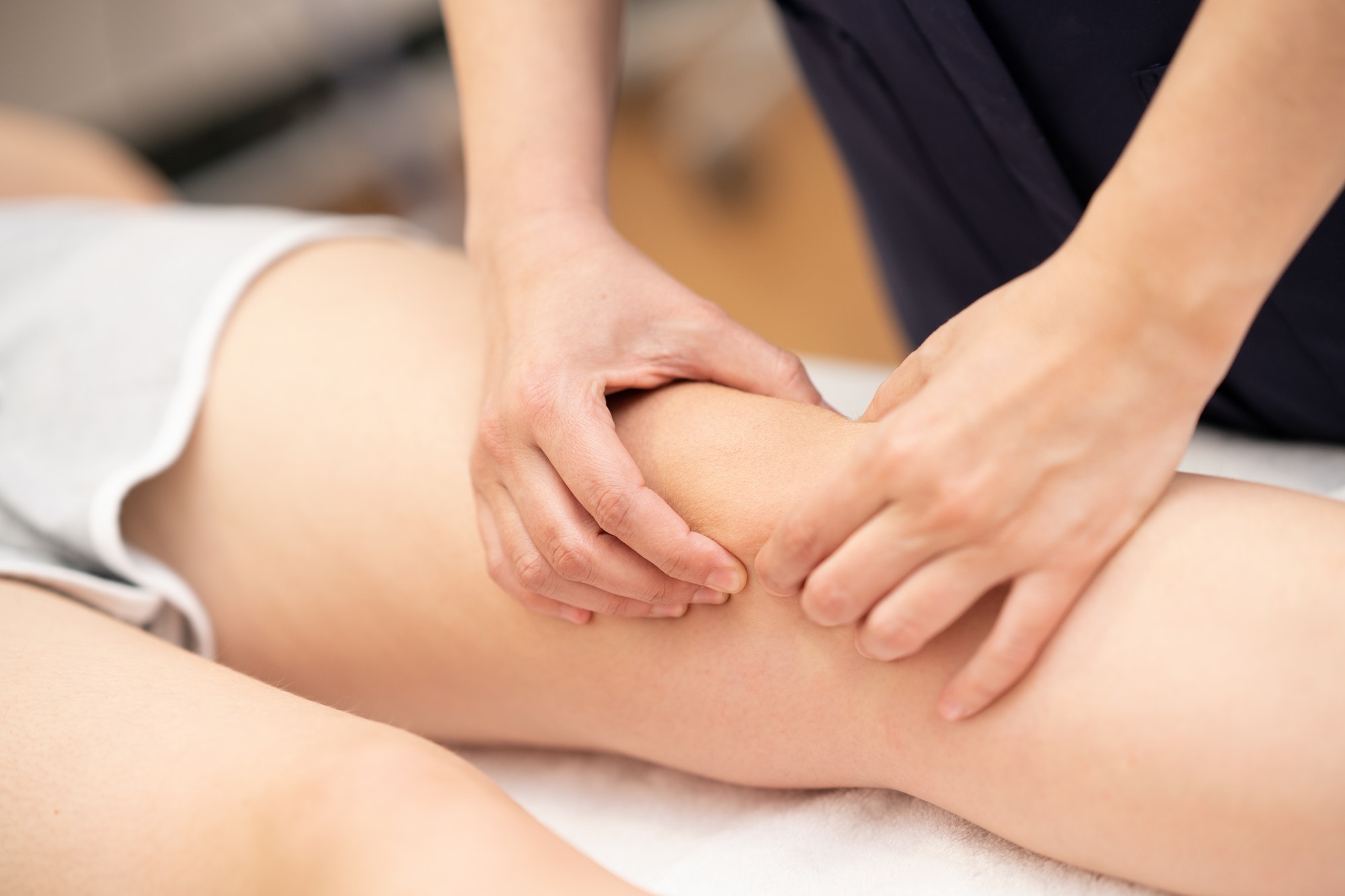
Hands-on options available at the clinic include sports massage, trigger point treatment and muscle energy techniques. Ask what a technique is intended to change and how that would help your function. Feeling different after a session is useful feedback, but does not by itself establish readiness for your usual running.

Could shockwave therapy help?
Shockwave therapy is an option to discuss for some persistent tendon or soft-tissue problems, rather than a default treatment for running pain. The evidence, suitability and likely response differ by condition. Ask why it is being considered for your diagnosis, what risks or medical-history factors matter, what alternatives exist and how benefit will be assessed. See what treatment involves.

Exercise remains part of the conversation
Exercise addresses the activities you need to tolerate between clinic visits and as running returns. Your plan should make the exercise, amount, technique and progression understandable. See running rehabilitation for a practical way to record sessions and prepare for review.
Compare the plan, not just the treatment name
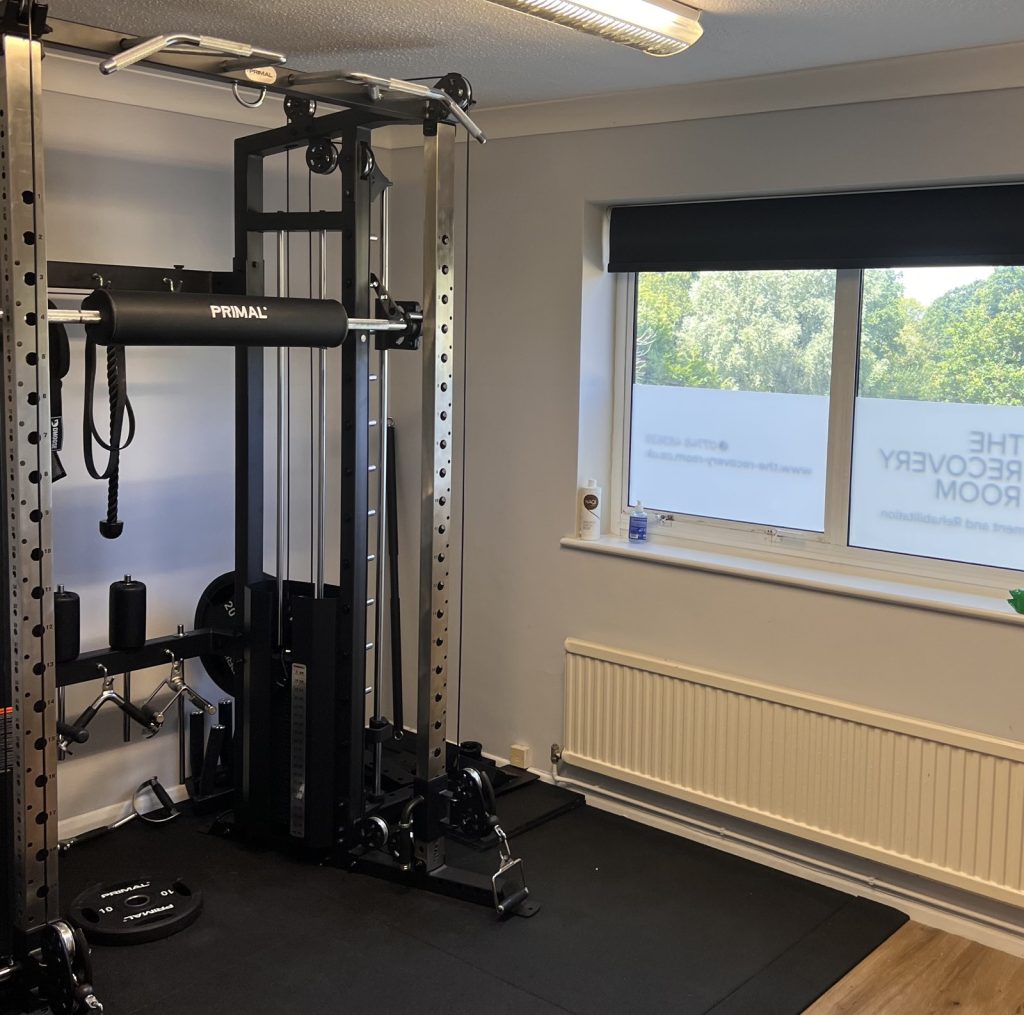
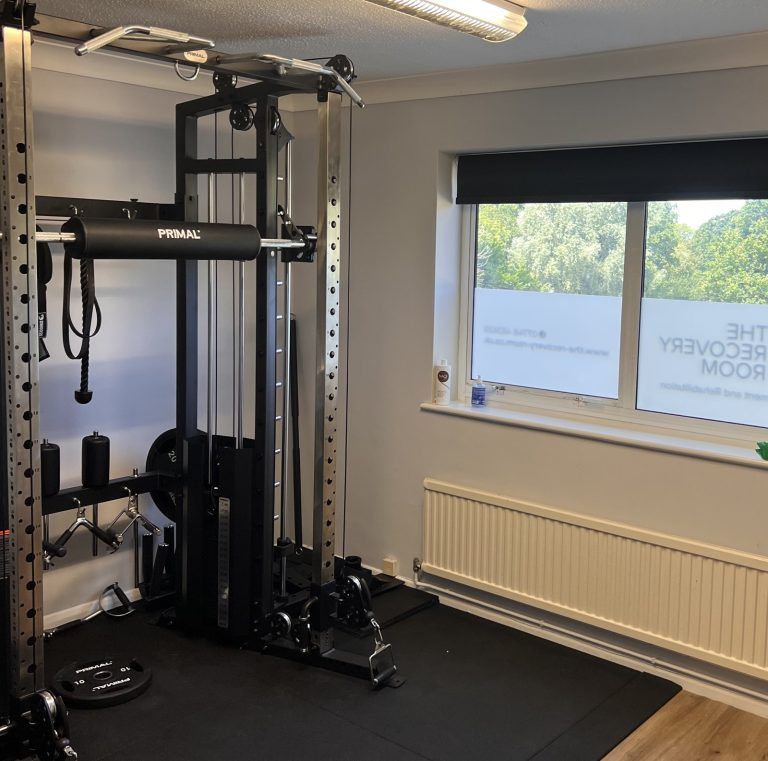
Rehabilitation equipment at the Southampton clinic.
Purpose
Write the options side by side. For each, ask: “What is it intended to change, and which activity would tell me that change matters?” For example, a session may feel different immediately while walking to work still feels the same. Agree which observation matters for your decision.
Trade-offs
What are the likely benefits, uncertainties, possible unwanted effects and alternatives—including a different approach or referral?
Practical commitment
Before agreeing to a course, ask what the first appointment costs, what follow-up may involve and what you would need to do between visits. If two options are suitable, compare how each fits your week and ask when you would decide whether to continue.
A decision you can revisit
Take the answers to your follow-up. Compare your experience with the agreed goal, then decide with your clinician whether to continue or change the plan.
Review whether the plan is helping
At review, compare your experience with the goal you agreed before treatment. A useful note has four parts: the activity you wanted to improve, what you could do before, what you can do now and anything else that changed in the meantime. Ask whether the plan should continue, change or be reassessed. Feeling better after a session is one observation to discuss alongside everyday function.

Your clinical team
James Kirkpatrick, Clinic Director and Lead Therapist, holds an MSc in Sports Therapy and a BSc in Sports Science. His clinical interests include running injuries, tendon pain and exercise rehabilitation. He founded The Recovery Room in 2012 and is a member of the Society of Sports Therapists (SST8030). Read James’s background and meet Adele Young and Katie Dunn.
Related running articles
Read how different treatments are considered for specific running injuries.

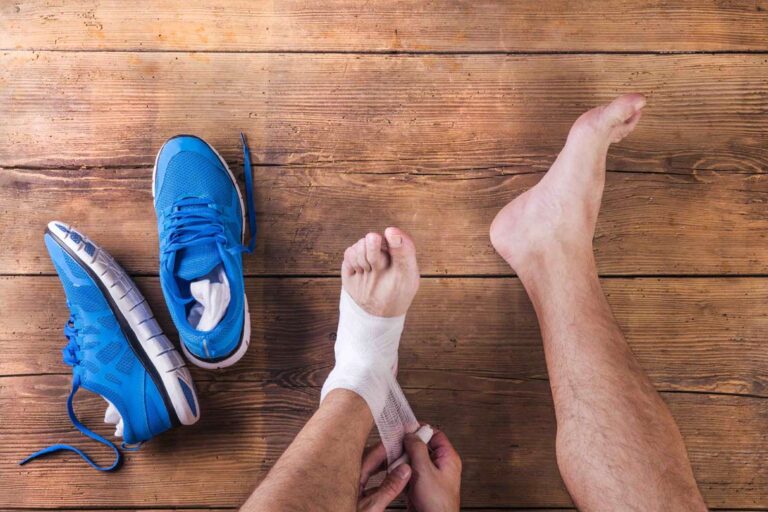
For severe or worsening pain, substantial swelling or difficulty putting weight through an injured leg, seek advice from NHS 111. Read the NHS guidance on sprains and strains for when urgent help is needed.
Further reading · NHS information on common running injuries.
One client’s experience
“Had researched shockwave therapy, evidence is limited, but for me and my injury, accompanied by months of physio exercises and James' coaching tips had me running better than before injury.”
Vicky Toomey
An individual experience. Treatment outcomes vary.