


The Recovery Room · Southampton
Running injury assessment in Southampton
Understand what is affecting your running before choosing a treatment. At The Recovery Room, your assessment brings together your symptoms, training history and the activities you want to return to.
Book a running injury assessmentRomsey Golf Club, Romsey Road, Southampton, SO16 0XW. Welcoming runners from Southampton, Romsey, Totton and the New Forest. Directions and contact details.

Find your next step
Explore the next stage of your running injury care.
Running injury overview
Assessment
See what we ask, what we assess and what to bring.
Explore assessment →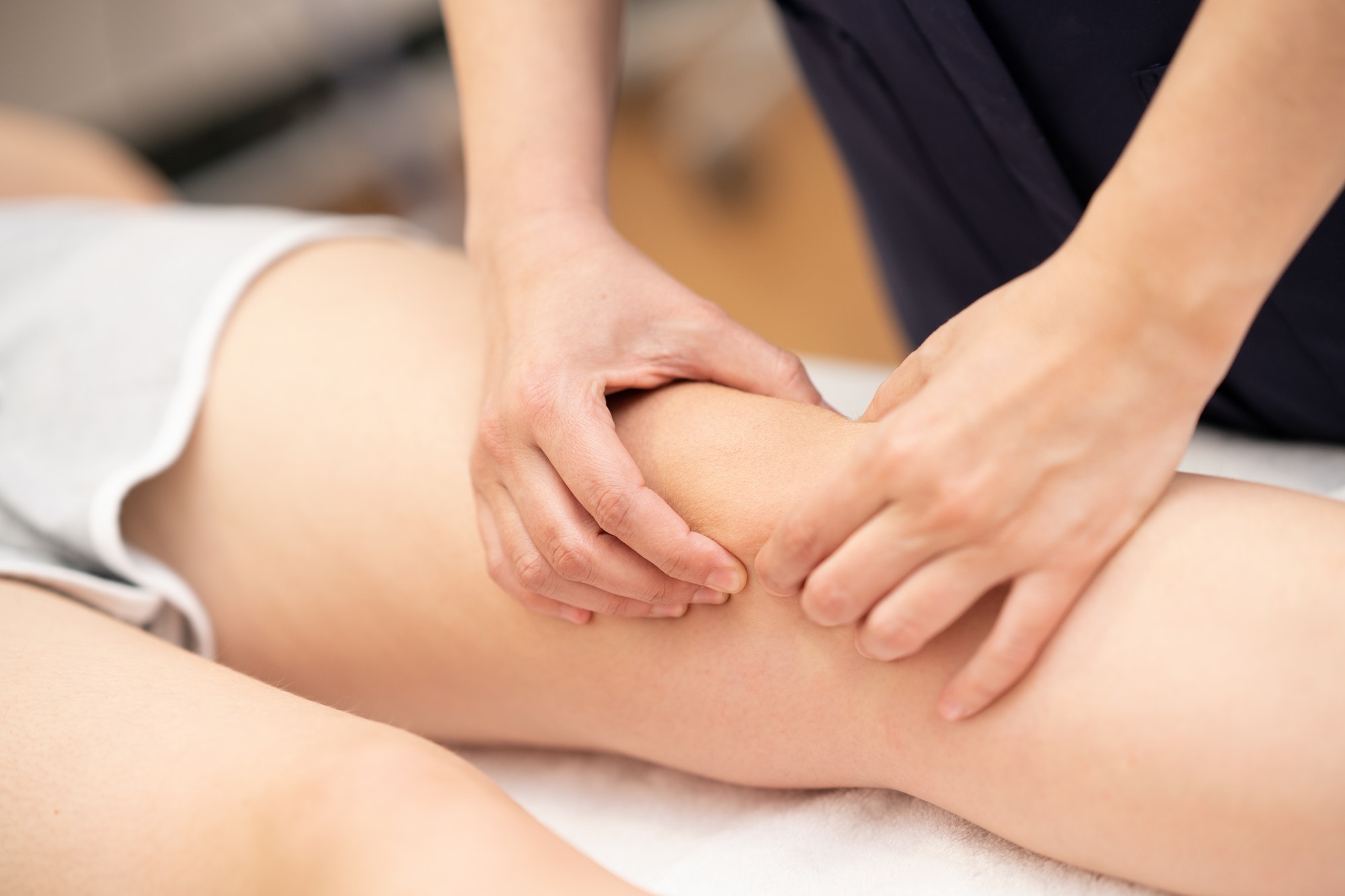
Treatment options
Understand the options you can discuss after an assessment.
Explore treatment →
Rehabilitation
See how exercises, practice and reviews fit into your plan.
Explore rehabilitation →
Return to running
Plan a starting point and learn what to review after a run.
Explore returning →
Start with your story
Bring a simple account of your last few weeks of running: sessions, approximate distance or duration, hills or faster efforts, and when the symptoms appeared. Note whether discomfort starts immediately, builds during a run or appears afterwards. Include walking, work and sleep so the assessment considers more than training alone.

An assessment tailored to your symptoms
Movement checks help answer a particular question; they are not a score every runner must pass. For example, comparing a movement on each side can help describe a limitation, while your training history shows when it matters. Your clinician combines the history and relevant tests to explain the likely problem, any uncertainty and whether further medical assessment is needed.
Make your training history useful

James at The Recovery Room.
A quick note to bring
Last usual training week: ___
What changed before symptoms: ___
Where and when symptoms occur: ___
Effect on walking, work or sleep: ___
Your main question and running goal: ___
How that can change the conversation
Illustrative example: “My usual week was two flat runs and a longer Sunday run. The week symptoms started, I added hill repeats. I first noticed discomfort on the second climb and felt it again on stairs the next morning.” The useful details are what changed, when the symptoms appeared and what else they affected. That pattern gives the assessment a question to explore.
Questions to leave with
Use this as a note before you leave: “The working explanation is ___. The part we’re still checking is ___. Until review, I’ve agreed to ___. If ___ happens, I’ll contact ___.” Ask your clinician to clarify anything you would struggle to explain back in your own words.

What to bring to your appointment
Wear clothing that allows comfortable movement and access to the affected area. Have your medication list, relevant medical history, previous reports and recent training details available. Add your next event date and what you most want help with. You can book without a GP referral. Check the appointment type, duration, fee and whether to bring running shoes with the clinic before attending.

Will you look at my running technique?
A running video can show how you move, but it cannot explain an injury on its own. Your symptoms, training and physical assessment provide the context. Confirm whether video or gait analysis is relevant to your question, included in the appointment or arranged separately; do not assume every assessment includes it.
Leave with an explanation and next steps
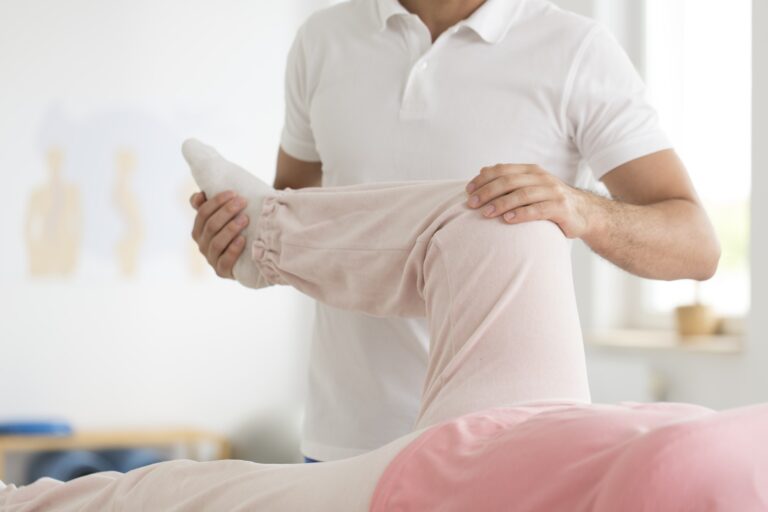
Leave with an explanation of the likely problem and any uncertainty, rather than only a treatment name. Make sure the agreed activity changes and exercises are understandable, and know what response to record. Where findings suggest another medical opinion or imaging is needed, discuss why that step could change your care.
Where the assessment leads
If you leave with several suitable options, the treatment guide gives you questions for comparing them. If an exercise plan is already agreed, use the rehabilitation record to note what you actually do between appointments.

Your clinical team
James Kirkpatrick, Clinic Director and Lead Therapist, holds an MSc in Sports Therapy and a BSc in Sports Science. His clinical interests include running injuries, tendon pain and exercise rehabilitation. He founded The Recovery Room in 2012 and is a member of the Society of Sports Therapists (SST8030). Read James’s background and meet Adele Young and Katie Dunn.
Related running articles
Understand what gait analysis, scans and symptom patterns can add to an assessment.



For severe or worsening pain, substantial swelling or difficulty putting weight through an injured leg, seek advice from NHS 111. Read the NHS guidance on sprains and strains for when urgent help is needed.
Further reading · NHS information on common running injuries.
One client’s experience
“James did a thorough assessment taking into account previous injuries and came up with a focused treatment plan, adjusting the exercises as needed and also keeping in mind my running goals.”
Gabi Cook
An individual experience. Treatment outcomes vary.