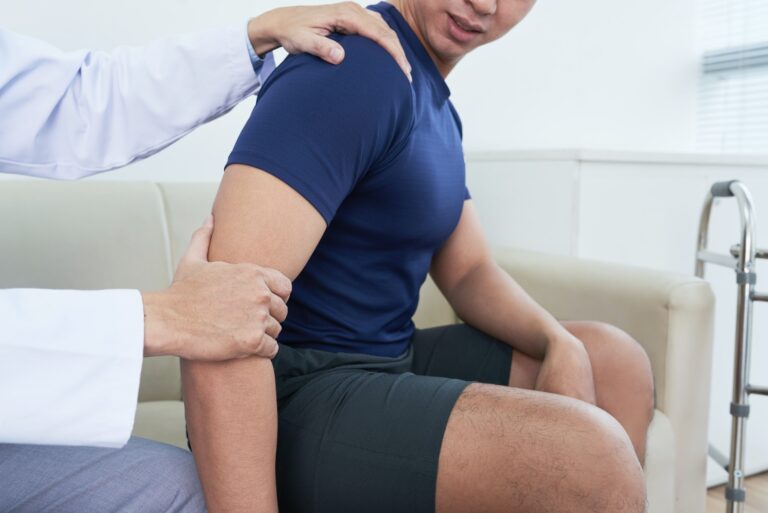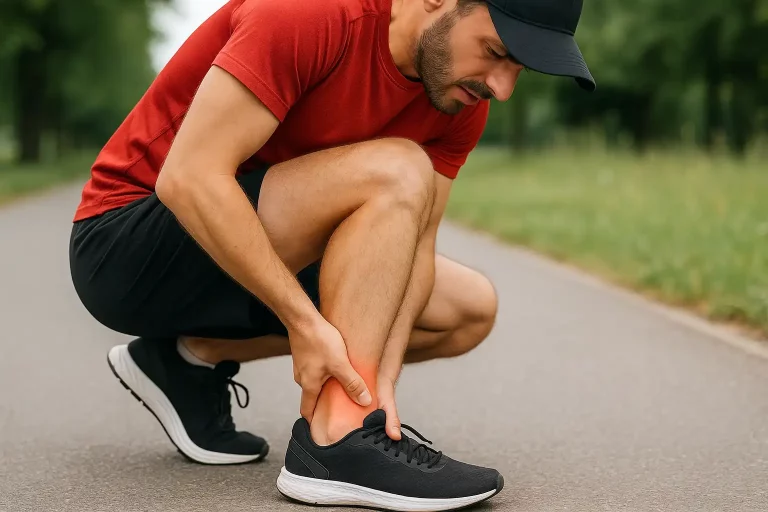

Perhaps your muscles feel sore after exercise, you want to feel more comfortable, or you are wondering whether massage would help an ongoing problem. At The Recovery Room, we start with that conversation. Sports massage should have a clear purpose that makes sense for you.
What can sports massage help with?
Massage involves hands-on work with soft tissues. People may seek it for comfort, relaxation or muscle soreness. Tell us what you hope will change: feeling more at ease after a busy week is a different goal from returning to running after an injury.
A tender area does not, by itself, tell us the diagnosis. If pain is affecting your movement or keeps returning, we may need to discuss assessment and rehabilitation as well as whether massage is suitable.
What does the research say?
The 2020 systematic review linked below found small improvements in flexibility and delayed muscle soreness, without evidence of direct improvement in the tested measures of strength, jumping, sprinting or endurance. That is why we do not promise a faster race or guaranteed injury prevention from a massage.
Feeling more comfortable can still matter. The useful question is whether the treatment helps with the goal you agreed, and how it fits alongside the rest of your care.
What happens before treatment?
We will discuss your symptoms, relevant health information and what you want from the appointment. Tell us about medication, recent injuries or operations, skin problems, bruising and swelling. Let us know about any area you do not want treated.
We will explain the proposed approach so you can decide whether to go ahead. You can ask questions, request less pressure, change position, pause or decline a technique. A useful treatment does not have to hurt.
How does massage fit with rehabilitation?
If your goal involves getting stronger, moving more comfortably or returning to an activity, hands-on treatment may be only one part of the plan. We can explain what to work on between appointments and how to review progress.
For example, tell us whether a normal walk, work task or training session became easier afterwards, as well as how the area felt straight after treatment. You should understand why another appointment is suggested rather than feel you need to keep booking without a clear aim.
When should medical assessment come first?
A significant new injury or an unexplained hot, swollen or red area needs appropriate medical assessment. Do not book massage as a way to test whether a concerning symptom is serious. If you are unsure which service to use, seek medical advice first.
Give massage a purpose you can review
Before the appointment, name the change you care about. “I’d like to feel more comfortable after a long week” is a reasonable aim. “I want to get through a short walk with less discomfort” adds a specific task to discuss. If you have an injury or symptoms that keep returning, ask what needs assessment and what you can work on between visits. Tell the clinician if you have already been given advice about activity or treatment.
| Goal | What to discuss before treatment | What to review afterwards |
|---|---|---|
| Feel more comfortable after exercise | What you did, when the soreness started and whether it feels typical for you | How you feel later and whether your usual recovery routine remains manageable |
| Manage an everyday task | Which part of a walk or work task is difficult and whether assessment is needed first | Whether the agreed task feels easier and whether the effect lasts |
| Return to sport after an injury | What your rehabilitation plan already asks you to do and where massage might fit | How you tolerate the prescribed activity and what you need to discuss at your next review |
A practical plan around the appointment
- Agree what is appropriate. Describe your symptoms and health history, including any relevant medication or recent injury. Ask what the proposed treatment aims to change and whether assessment should come first.
- Speak up during treatment. You can ask for different pressure or positioning, or stop. Discuss any uncomfortable sensation as it happens.
- Keep your agreed activity plan. If a movement feels easier afterwards, notice the effect during the ordinary task you discussed. Continue to follow any limits from your treating clinician.
- Decide what to review. Note the immediate response, the effect later and any change that matters to you. If the same task remains limited or symptoms worsen, ask whether to reassess the problem or adjust rehabilitation before repeating treatment.
For example, someone training for a run may feel more comfortable that evening but find their usual training still limited by the same calf symptoms the next day. Tell the clinician both things. The first observation helps explain what the appointment did for comfort. The second helps decide what to review in the training or injury plan.
Frequently asked questions
Does more pressure give a better result?
⌄
⌄
Will sports massage make me perform better?
⌄
⌄
When should I get medical advice first?
⌄
⌄
Talk to us about what you need
If you would like sports massage for a non-urgent concern, book an appointment at our Southampton clinic. Tell us about your symptoms and goals so we can discuss suitability and the most useful next step.
Book an appointmentRead more about our sports massage service.
Sources and further reading
- Systematic review: sports massage, performance and recovery
- The Recovery Room: assessment and consent