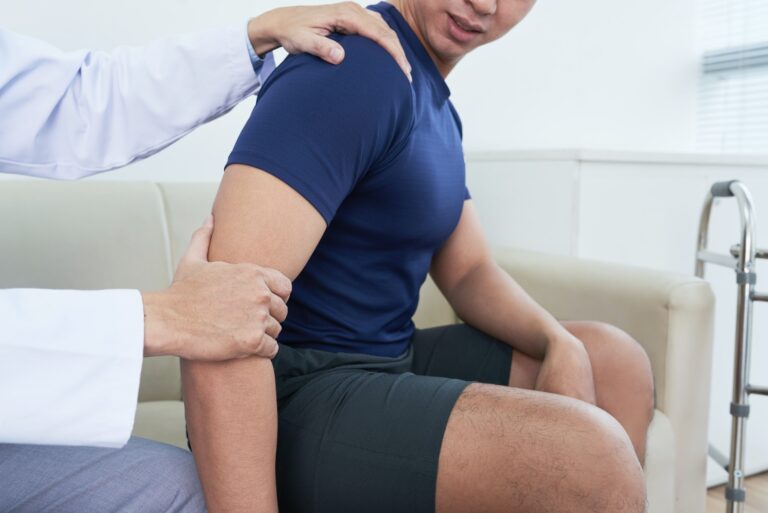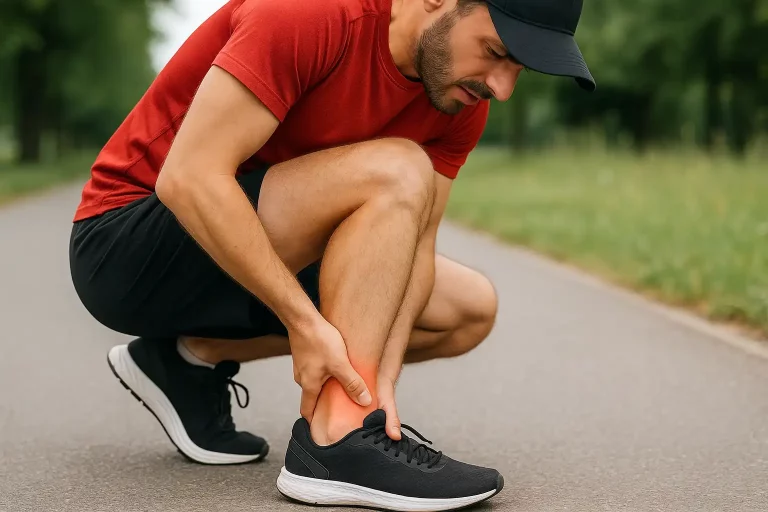
Soleus rehabilitation can include calf exercises with the knee bent as well as standing variations. The appropriate starting point depends on the diagnosis, your present capacity and the stage of recovery. An exercise is not suitable merely because it is called a soleus exercise online. After a recent injury, obtain advice about what to do before adding resistance, stretching deeply or testing hopping.
This guide explains exercise choices and technique questions to discuss with your clinician. It is not a personal programme or permission to exercise through unexplained calf pain.
Key takeaways
- Exercise selection follows assessment, not a symptom-based guess.
- A bent knee changes the task but does not completely isolate the soleus.
- Support, range, resistance and speed are separate decisions.
- A useful plan includes instructions for an unexpected response and a review point.
When to seek urgent medical help
Do not exercise a calf to test for DVT. Unexplained one-sided pain and swelling, especially with warmth or skin colour changes, needs urgent GP or NHS 111 assessment if a clot is suspected. Calf symptoms with chest pain or breathlessness require 999 or A&E; do not drive yourself. Read the NHS DVT advice.
Stop an exercise if you develop sharp or increasing pain, new swelling, altered sensation or difficulty moving normally. Seek advice appropriate to the symptoms; sudden severe pain requires emergency assessment.
Decide what the exercise is meant to achieve
“Strengthen the calf” is a broad aim. Ask whether the current task is intended to rebuild comfortable movement, introduce muscle effort, develop strength or prepare for repeated activity. That purpose affects the choice of task and how it is reviewed.
For example, someone returning to ordinary walking may discuss different demands from someone preparing for a sport with repeated accelerations. Neither goal can be reduced to copying another person's weight or repetition count.
Seated heel-raise technique to discuss
If a seated heel raise has been selected for you, use a stable seat with your feet supported on the floor. Raise and lower the heels under control while keeping the front of the feet supported. Work within the range agreed with your clinician rather than forcing the largest possible movement.
Check that the seat is stable and that you are not using your hands to create an unintended extra load. If resistance has been prescribed, ask how it should be positioned and secured. Balancing a heavy household object on your knees is not a necessary starting point.
A seated task can be useful in some plans, but being able to complete it does not demonstrate readiness for running. The question is what it is contributing to your particular recovery goal.
Supported standing and bent-knee variations
Standing changes the demands and introduces balance considerations. Use a secure support when that is part of the agreed exercise. Your clinician can check foot position, knee movement and whether you are shifting most of the effort onto the other leg.
For a bent-knee variation, clarify the intended knee position rather than turning the movement into an uncontrolled squat. A smaller controlled movement may be more appropriate than a larger movement you cannot repeat consistently. Do not move onto a step or lower your heel below it unless that range has been selected for you.
Ask for a dose and a response plan
An exercise name is not a complete prescription. Before leaving an appointment, record the variation, support, range, resistance, repetitions, frequency and planned review. If one element has not been discussed, ask rather than borrowing it from a video.
Also agree what response is acceptable during the task, later that day and the next morning. There is no universal number in this guide that makes pain safe. A change in walking or new symptoms deserves attention even if a numerical pain score seems small.
Change one part deliberately
When a clinician progresses an exercise, ask which feature is changing and why. Making the task heavier, faster, longer and less supported at the same time makes the response difficult to interpret. A simple written plan helps you follow the intended change.
A useful record has four lines: the task agreed; what you completed; what happened afterwards; and what question you want answered at review. This is a record of the programme, not a pass/fail test.
Later tasks may include more demanding repeated or sport-specific loading where appropriate. The return-to-running guide explains the separate decisions involved. Do not add hopping merely because it appears at the end of a generic exercise list.
How stretching and other treatment fit
A soleus stretch addresses a different task from a loaded heel raise. Whether either is suitable depends on the current plan. Read the treatment-options guide for questions about combining rehabilitation with other care, or return to the soleus pain overview.
Frequently asked questions
Do bent-knee raises isolate the soleus?
⌄
⌄
Can I begin with seated raises after an injury?
⌄
⌄
Should I add weight when the movement feels easy?
⌄
⌄
What if I cannot perform the prescribed movement?
⌄
⌄
Bring the exercise quality and the rest of your day to review
“I did all the repetitions” tells your clinician how much you attempted. Add what the movement looked like and where it changed. A heel that lifts less as you tire, a change in how much you lean on your hands or a shift in how you walk afterwards can help explain whether the current version is repeatable. Note these details during the exercise you have been prescribed.
| What changed | Detail to record | Question for review |
|---|---|---|
| Heel height fell near the end | Which set and repetition it happened in, and what load you used | Should I repeat the current amount or use a smaller set to keep the movement consistent? |
| Standing required more hand support | What you held and whether balance or calf effort limited the movement | Would a different setup help me practise the intended movement safely? |
| Stairs were harder the following morning | The exercises and other walking, standing or sport you did that day | Which amount should we review before I add more work? |
- Agree the exercise, support and dose after assessment. Ask how to recognise a useful repetition and when to stop.
- Record the amount and any point where the movement changed. Include how walking felt later and the next morning.
- Discuss one change at review. Your clinician can help decide whether to adjust resistance, repetitions, range or support to match your next goal.
- Seek reassessment if new symptoms appear or your everyday ability keeps declining. Follow the urgent advice above for warning signs.
For an example, someone preparing to return to stairs at work might complete their seated exercises comfortably but find their prescribed standing exercise changes near the end of each set. That is a useful observation to bring to review before adding weight or repetitions. Green and colleagues’ study of calf strain rehabilitation practice
Plan rehabilitation around your activities
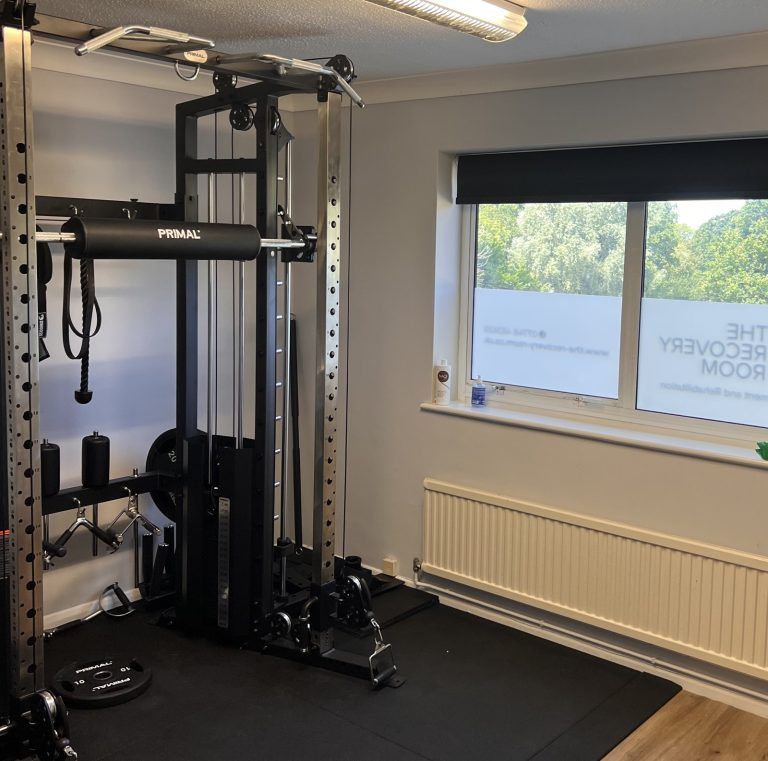
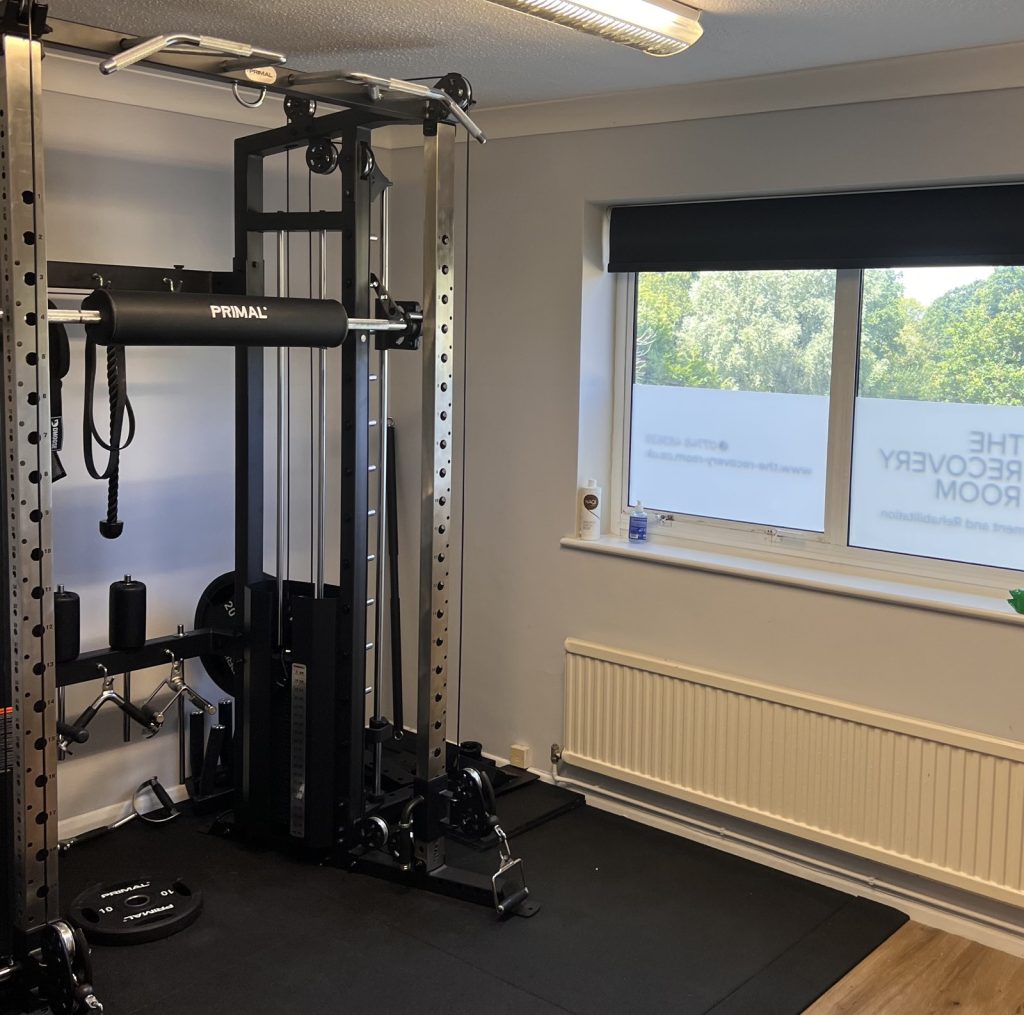
Explore exercise rehabilitation at The Recovery Room for an individual discussion of suitable exercise and progression.
References
- NHS: DVT
- Hull University Teaching Hospitals: calf strain advice
- Green and colleagues, 2022: calf injury assessment and rehabilitation
- Pedret and colleagues, 2026: calf injuries
The previous version was clinically reviewed by James Kirkpatrick, MSc Sports Therapy, on 29 October 2026.