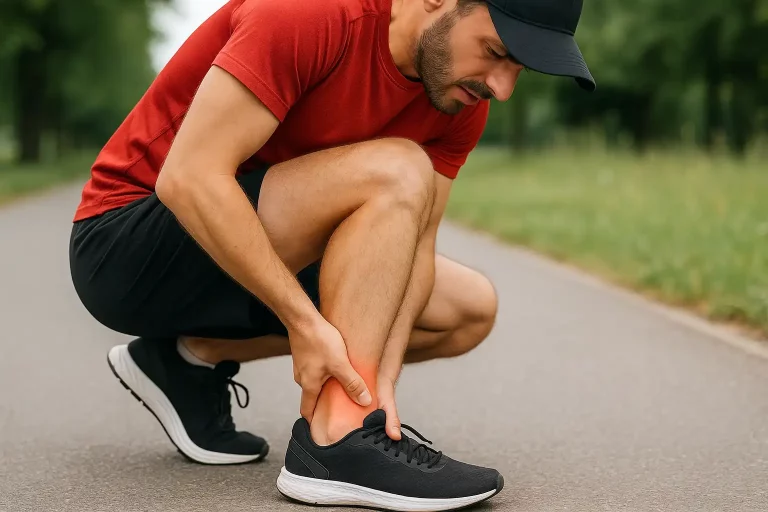

Soleus muscle pain can feel like an ache or pulling sensation deep in the calf, sometimes during walking or running. However, the location of pain does not establish its cause. A strain is one possibility; Achilles problems, other calf injuries and conditions needing medical assessment can produce overlapping symptoms. The useful first step is to identify any warning signs, then consider how the symptoms started and what activities have become difficult.
This guide explains the main questions to explore. It is general information for adults, not a diagnosis or an exercise prescription. Use the focused guides below for individual topics rather than trying every recovery suggestion at once.
Key takeaways
- The soleus lies underneath the more visible gastrocnemius and contributes to calf function.
- Deep pain or pain during a bent-knee exercise cannot identify the injured structure by itself.
- Unexplained calf symptoms need appropriate assessment before being treated as a muscle strain.
- A recovery plan should connect your present capacity with the activities you want to regain.
- Improvement at rest is different from readiness for repeated running or jumping.
When to seek urgent medical help
Unexplained pain and swelling in one calf, especially with warmth or skin colour changes, can be signs of deep vein thrombosis (DVT). Seek an urgent GP appointment or contact NHS 111 if you suspect DVT. If calf symptoms occur with chest pain or breathlessness, call 999 or go to A&E. Do not drive yourself. Do not wait for a sports therapy appointment or try massage to check whether the symptoms improve. See the NHS DVT guidance.
Sudden severe leg pain also needs emergency assessment, particularly if accompanied by a very tight leg, numbness or difficulty moving. The NHS compartment syndrome guidance explains this emergency pathway. A sudden snap with loss of push-off or marked difficulty walking warrants prompt medical assessment rather than self-testing.
A practical symptom-to-next-step guide
The following is a way to organise your next action, not a tool for diagnosing yourself.
- Emergency symptoms: calf symptoms with chest pain or breathlessness, or sudden severe leg pain, require the emergency response described above.
- Possible clot or significant injury: seek urgent medical advice. Do not use a calf raise, stretch or a period of rest to rule out a serious cause.
- Persistent or recurring symptoms without urgent signs: arrange an appropriate assessment, particularly if walking, work or usual activity is affected.
- An assessed injury with an agreed plan: follow the plan and its review instructions. New or different symptoms may require reassessment rather than another exercise progression.
When uncertain which pathway fits, NHS 111 can advise. The absence of one warning sign is not evidence that pain is harmless.
Where is the soleus muscle?
The calf contains several structures working together. The soleus sits beneath the gastrocnemius. Both contribute to pointing the foot down at the ankle and transmit force towards the heel through the Achilles tendon. The gastrocnemius crosses the knee; the soleus does not. That difference helps explain why clinicians consider tasks in more than one knee position.
It does not mean bending your knee switches one muscle off or proves the source of pain. Muscles, tendons and joints share demands during movement. Read our soleus and gastrocnemius comparison for the practical limits of symptom-based comparisons.
What can contribute to calf symptoms?
A history of activity can offer clues. You might notice symptoms after an unfamiliar task, a change in running demands or a distinct injury. Alternatively, pain may appear without an obvious trigger. None of these stories is sufficient to diagnose a soleus strain, and a recent run does not exclude another medical cause.
Try to describe what happened rather than deciding the explanation first. “The ache started during the third uphill repetition” gives an assessor something more concrete than “my soleus is weak”. Note whether you could continue normally, whether symptoms appeared later and whether ordinary walking changed.
The soleus strain assessment guide explains what a clinician can establish from that history. If symptoms occur around a run, use the running symptom diary. For pain without a clear injury, start with appropriate care for unexplained deep calf pain.
What happens at an assessment?
Assessment combines your account with a physical examination and consideration of other explanations. Bring a description of the onset, previous injuries, relevant medical history and the activity you want to resume. Your assessor may explore walking, movement and calf capacity where appropriate. Tell them about symptoms you have noticed at rest as well as during exercise.
Imaging is a decision made in context. It may help answer a particular clinical question, but an image is not an automatic return-to-running certificate. A 2026 review of calf injuries describes the limits of relating detailed anatomical findings directly to prognosis.
How treatment and rehabilitation fit together
The purpose of treatment depends on the diagnosis and your goals. Symptom support, temporary changes to activity and a rehabilitation plan serve different jobs. A treatment that makes the calf feel more comfortable does not necessarily show it can tolerate a longer run.
Discuss what each part of a proposed plan is intended to achieve and how progress will be reviewed. Our treatment-options guide provides questions for that conversation. The exercise guide explains categories of loading, while the stretching guide separates mobility practice from treatment of an injury.
Recovery: match the goal to the demand
“Recovered” can mean walking to the shops, finishing a standing shift, returning to easy jogging or racing. These are different goals. State the one that matters to you so that a plan is built around the right demands.
For example, “walk the dog comfortably on our usual route” is a clearer early goal than “have a stronger calf”. Later, a runner might discuss sustained easy running before preparing for the particular demands of their event. These are discussion examples, not stages that everyone must follow.
Our recovery-time guide explains useful progress records. The return-to-running guide focuses on decisions after an injury has been assessed.
Frequently asked questions
Does deep calf pain mean a soleus injury?
⌄
⌄
Can soleus symptoms develop gradually?
⌄
⌄
Should everyone have a scan?
⌄
⌄
What should I bring to an appointment?
⌄
⌄
Match the first recovery decision to the pattern you report
Start with how the problem is affecting your day. Someone who can walk to work but develops pain during the walk home has a different question from someone who notices a sudden change in walking after a push-off. Share the order of events and say whether the symptoms are new, recurring or changing. If you have unexplained symptoms or the urgent signs above, start with the appropriate medical service.
| Situation | Information to share | Decision to discuss |
|---|---|---|
| New unexplained calf pain or swelling | When it started, which leg and what else you noticed | Seek medical advice first if the presentation is unexplained or concerning. Use the urgent advice above for possible clot symptoms. |
| Activity has been agreed after assessment | The amount of walking or exercise you completed and how you moved later | Repeat that amount, adapt it or review the plan with your clinician |
| Returning to a job or sport | Which demand you have yet to practise, such as stairs under load or repeated running steps | Agree which demand to build first and how to judge the response |
- Check which service is appropriate before testing your calf or starting rehabilitation.
- After assessment, agree on one regular task or prescribed exercise to record.
- Include the other work your calf did that day and what changed by the following morning.
- Agree when to review and who to contact if symptoms or your ability to get around worsen.
A brief entry is enough. Include the task, the amount you managed and the next decision you want help with. If you mainly want to return to running, tell your clinician what a typical route asks of you, including its hills, pace and duration.
Discuss a routine calf assessment
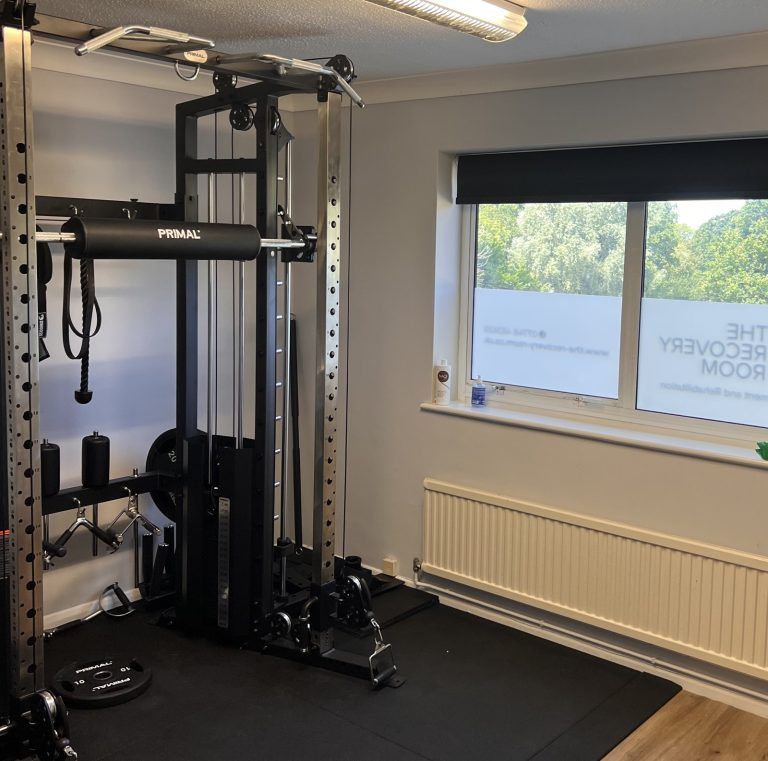
If urgent causes have been addressed and calf symptoms are limiting your activities, explore injury assessment at The Recovery Room in Southampton. The aim is to understand the problem and discuss an appropriate plan, without promising a particular outcome.
References
- NHS: DVT
- NHS: compartment syndrome
- Pedret and colleagues, 2026: calf injuries, diagnosis, management and return to sport
- Calderdale and Huddersfield NHS: calf muscle strain
The previous version was clinically reviewed by James Kirkpatrick, MSc Sports Therapy, on 29 October 2026.